
Analysis: Washington's new security strategy in the Lake Chad basin
After withdrawing from Niger and Chad, the United States is reorganising its posture around Cameroon and Nigeria as the Islamic State advances.
The United States is reorganising its security arrangements in the Lake Chad basin, where jihadist groups affiliated with the Islamic State continue to gain ground.
Washington's withdrawal of its forces from Niger in 2024, after the military government in Niamey ended cooperation, and its subsequent departure from Chad deprived it of key positions in the Sahel. Its strategy now rests increasingly on partnerships with Cameroon and Nigeria.
The approach centres on intelligence-sharing, the use of drones and the provision of air support to partner forces, rather than a large American troop presence on the ground.
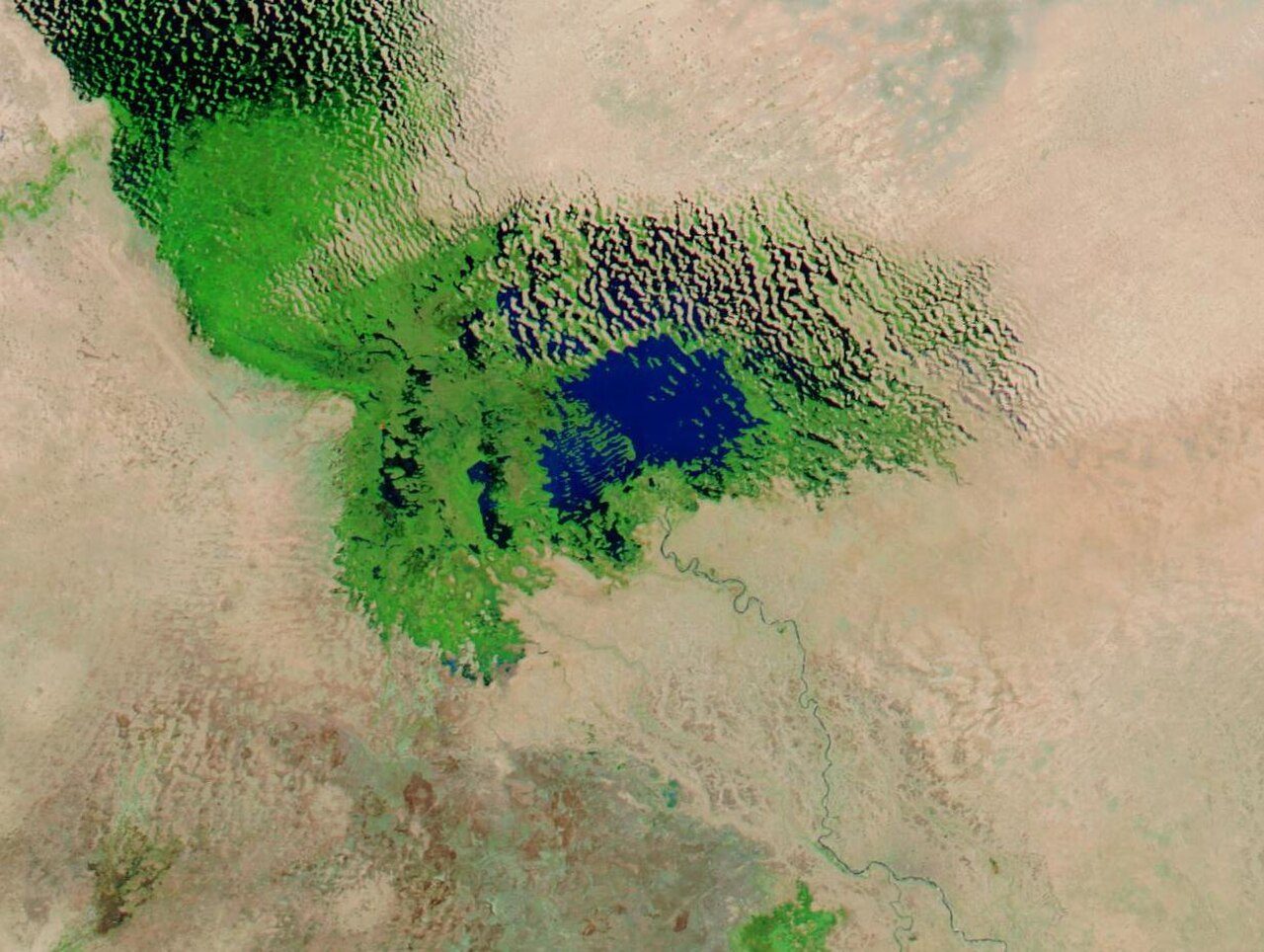
The Lake Chad basin, which straddles Nigeria, Niger, Chad and Cameroon, has endured more than 15 years of insurgency since the rise of Boko Haram. The Islamic State West Africa Province (ISWAP) has since become the dominant jihadist force in parts of the region, repeatedly attacking military bases and civilians.
The effectiveness of the revised American approach will depend heavily on the capacity and willingness of regional governments, several of which are also deepening security ties with other partners.