
Ghana moves to clear decades of toxic waste at Agbogbloshie
Government seeks to remove one million tonnes of refuse from the Korle Lagoon district and create up to 20,000 jobs in recycling.
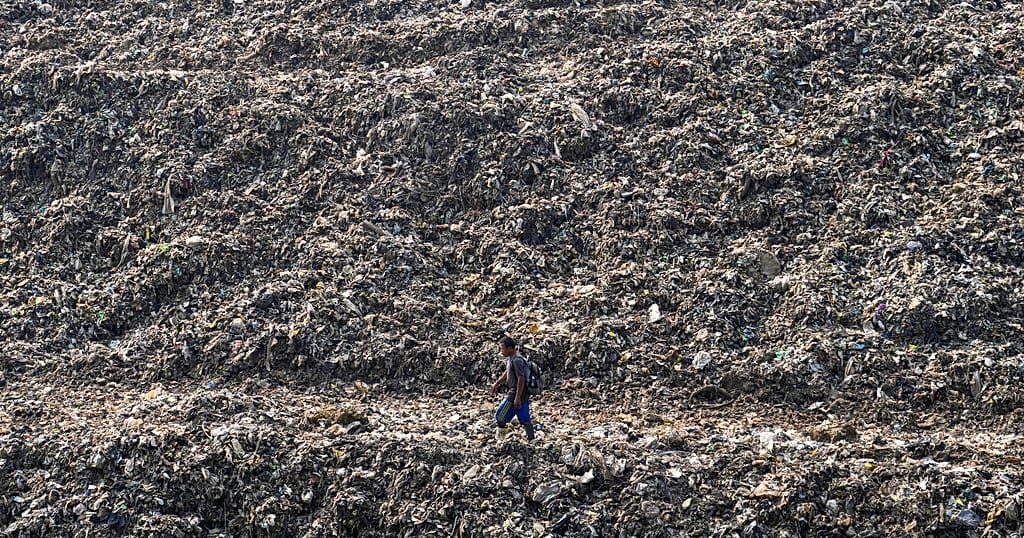
Agbogbloshie, a district on the Korle Lagoon delta in Accra, has accumulated thousands of tonnes of refuse over several decades. A neighbouring informal settlement is home to approximately 80,000 people, many of them migrants and traders who earn their living from the site.
In September, President John Mahama launched a three-month operation to remove about one million tonnes of waste from the area. Heavy equipment is transporting the refuse to a landfill some 50 kilometres outside the capital, where it is to be compacted and covered under environmental safeguards.
The Minister for Local Government, Mahama Ayariga, has said informal workers will be included in the programme. The government intends to bring waste pickers and tricycle haulers into formal recycling, with the aim of creating "up to 20,000 permanent jobs in waste management and the circular economy".
A health concern
Environmental health specialists say those working at the site are exposed to toxic metals and chemicals through cuts to the skin, smoke and dust. The burning of cables and batteries releases lead, mercury and other toxins. Reginald Quansah, an epidemiologist at the University of Ghana, said the cumulative contamination was a cause for concern even where precise causal links had yet to be quantified. Scientists warn that pollution is seeping into the lagoon and surrounding soil and entering the food chain.
Much of the refuse originates outside Ghana. Greenpeace estimates that some 15 million second-hand garments arrive in the country every week, and that roughly half become unsaleable "dead waste" that is dumped or burned. Samuel Quashie-Idun, head of investigations at Greenpeace Africa, said the volumes "far exceed local demand".
Waste management is among the themes under discussion at the COP31 climate conference, which opened in Turkey this week.