
Analysis: how China uses health diplomacy to extend its influence in Africa
The hospital ship Ji Xiang Fang Zhou has been offering free care along the West African coast, the latest chapter of a 'health silk road' more than 60 years in the making.
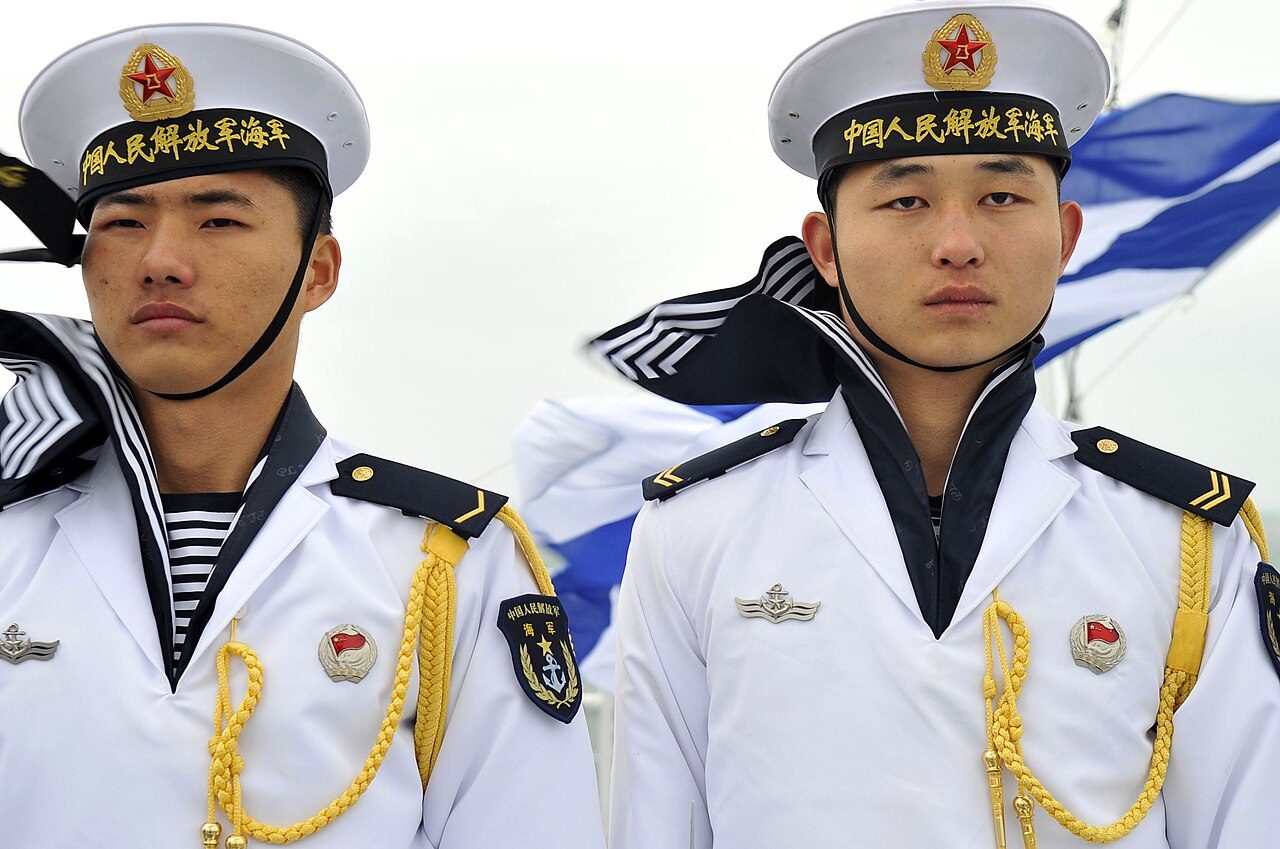
The Chinese hospital ship Ji Xiang Fang Zhou has been sailing along the West African coast, offering free medical care to local populations at successive ports of call.
The initiative is the most visible element of what Beijing presents as a "health silk road", a network of medical cooperation with the continent that dates back more than six decades. China dispatched its first medical team to Africa in 1963, to newly independent Algeria, and has since sent tens of thousands of doctors and nurses to countries across the continent.
Over time, that engagement has broadened to include the construction and equipping of hospitals, the supply of medicines and vaccines, training programmes for African health workers and support for public health institutions.
For Beijing, health cooperation offers a means of building goodwill among populations as well as governments, complementing its investments in infrastructure and trade. It has gained further prominence as Western donors, notably the United States, reduce or restructure their global health funding.
For African governments, the challenge is to ensure that such assistance strengthens national health systems over the long term rather than creating new dependencies.