
Tshisekedi enacts referendum law as opposition warns of third-term bid
The Head of State has signed legislation easing the conditions for constitutional referendums, a measure the opposition regards as a step towards an extended stay in office.
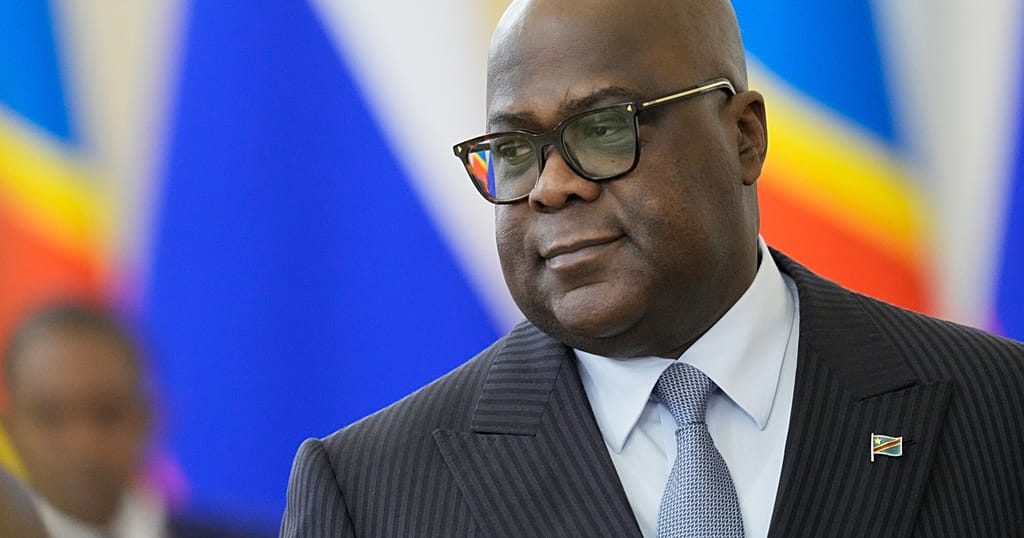
President Félix Tshisekedi has signed into law a measure that relaxes the rules governing the organisation of constitutional referendums in the Democratic Republic of Congo. The law was promulgated by order and read on national television during the night of Tuesday to Wednesday.
The opposition has condemned the legislation as an attempt by the President to remain in power beyond the limit set by the current Constitution. Mr Tshisekedi, 63, has led the country since 2019. Under the existing constitutional order, he is required to step down at the end of his second five-year term, at the close of 2028.
Opposition parties have united in recent months against any constitutional change that would open the way to a third term. Demonstrations against what organisers described as a "constitutional coup" took place in Kinshasa and other cities in June and September.
At a rare press conference in early May, the President stated that he had "not sought a third term", but added: "If people want me to have a third term, I will accept."
The opposition, weakened and fragmented since Mr Tshisekedi's decisive victory in the 2023 election, has recently formed a new platform known as C64, although it has struggled to mobilise large crowds. In August, opposition leaders rejected the President's offer of a national dialogue and called on him to abandon the proposed constitutional changes.
A country under strain
The debate unfolds against a difficult security backdrop. Much of the east of the country remains affected by conflict, and the Rwanda-backed M23 armed group seized large areas of territory last year.
Any national referendum would be organised by the Independent National Electoral Commission (CENI). No date has been announced.