
Analysis: Russia is losing ground in Africa's arms market. Can Moscow turn the tide?
Moscow is mounting a $20 billion push to recover its position as the continent's leading weapons supplier.
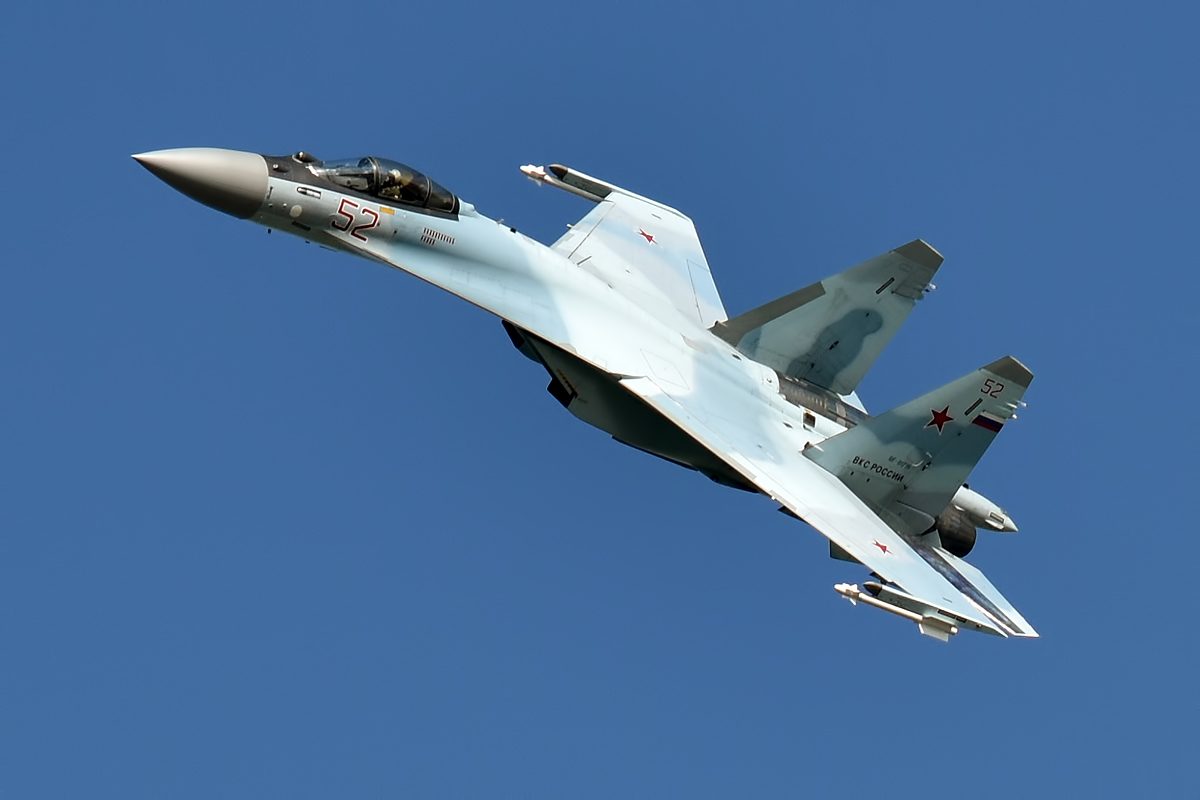
Russia, for decades the largest supplier of weapons to Africa, has seen its share of the continent's arms market decline in recent years, as Western sanctions, the demands of the war in Ukraine and competition from other suppliers have taken their toll.
China, Turkey and other producers have expanded their sales, offering drones, armoured vehicles and aircraft on competitive terms. Turkish drones in particular have become a fixture of conflicts across the continent.
Moscow is now seeking to recover lost ground through an offensive worth some $20 billion, combining arms deals with security partnerships and diplomatic outreach, notably at the Russia-Africa Summit held in Moscow at the end of October.
There have been some successes. Ethiopia has announced the first delivery of Russian Su-35 fighter jets, a significant sale for Russia's defence industry. Russia has also deepened military cooperation with the governments of the Sahel, where it has replaced Western partners.
Whether Moscow can restore its former dominance will depend on its capacity to deliver equipment on time while its own forces remain engaged in Ukraine.