
Ethiopia: TPLF loses ground among Tigrayans after fresh fighting
The former ruling party has been pushed out of the region's main towns and faces anger over forced recruitment and its alliance with Eritrea.
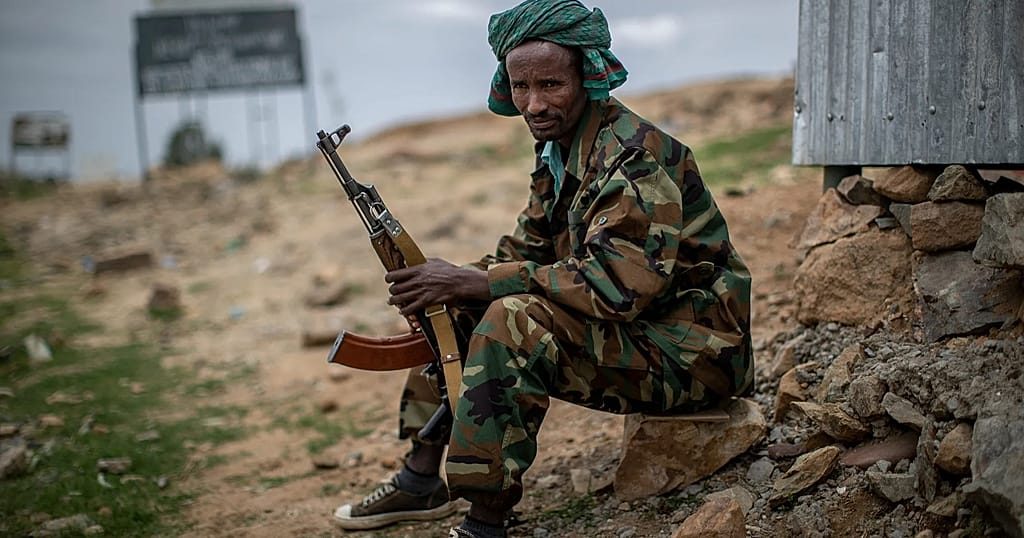
The Tigray People's Liberation Front (TPLF), which led Ethiopia until 2018, is facing a growing backlash from former supporters in Tigray following a failed offensive and renewed fighting in the region.
In late September, the TPLF joined other armed groups in an offensive aimed at overthrowing the federal leadership. Pro-government forces, making extensive use of drones, repelled the attack. The movement has since been driven from Tigray's principal towns and has retreated to the hills, from where it carries out occasional attacks on federal troops. In October, the federal authorities formally assumed control of the region, established a six-month interim administration and promised elections.
Eritrea, which fought alongside Ethiopia against the TPLF in the 2020 to 2022 war before falling out with Addis Ababa, deployed thousands of troops into Tigray in October in support of the movement. Ethiopian drone strikes forced them to withdraw.
The alliance with Asmara has angered many Tigrayans. Genet Hailu, a resident of Mekelle, recalled that Eritrean forces "committed massacres and sexual violence against Tigrayans" during the war. She also condemned forced recruitment by the TPLF, which has been documented by Human Rights Watch, saying the party had "forced children to join the army". Tsegay Girmay, 32, who joined the movement in 2020, said he did not believe it had "the slightest chance of returning to power".
The TPLF's vice-president, Amanuel Assefa, dismissed the criticism, asking how people could reproach "a party that is sacrificing itself for them". Some remain loyal: Gebremichael Abebe, 52, of Axum, said he believed the movement would return to power.
Kjetil Tronvoll, a Horn of Africa specialist, said the TPLF's future would depend on its capacity for self-reflection and on the conduct of the federal government in Tigray, adding that it was "too early to declare the TPLF dead".