Senegal's National Assembly rejects revised budget, complicating IMF talks
Pastef lawmakers voted down the bill by 109 votes to 20 as Dakar seeks approval for a $2.2 billion programme.
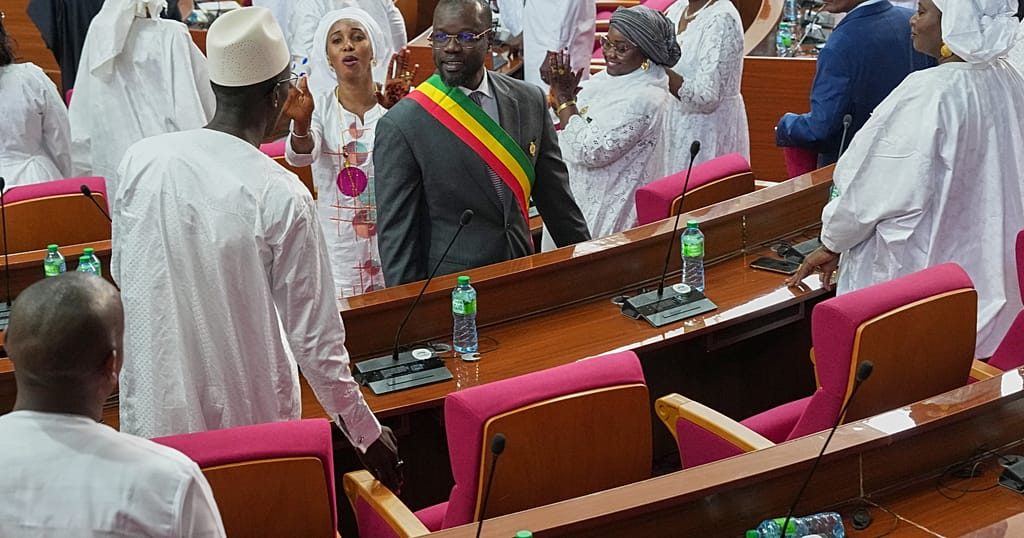
Senegal's National Assembly has rejected the government's revised 2026 budget, a text regarded as essential to restoring public finances as the country seeks to finalise a new programme with the International Monetary Fund.
Deputies from the Pastef party, which holds a commanding majority, voted against the bill by 109 votes to 20, with three abstentions. Parliament had already returned the text to the finance committee a week earlier, and the Pastef majority on that committee had twice rejected it. Finance Minister Cheikh Diba attended the debate.
In September, Senegal announced agreement on a three-year, $2.2 billion IMF programme. Board approval has yet to be granted and is subject to conditions. The impasse could jeopardise hopes of a board vote as early as next month.
According to a parliamentary document, the revised budget sought to account for a sharp rise in hydrocarbon prices driven in part by tensions in the Middle East, lower projected tax revenue and higher debt-service costs. The Ministry of the Economy warned that the rejection came in a context of severely limited fiscal room, restricted access to financial markets and continuing negotiations with the Fund.
The IMF estimates that Senegal's debt reached 132 per cent of gross domestic product at the end of 2024, following the discovery of substantial borrowing misreported by the previous administration. The budget dispute is compounded by a political feud between President Bassirou Diomaye Faye and Pastef leader Ousmane Sonko, now Speaker of the National Assembly, and comes amid high youth unemployment and a recent three-day general strike over the cost of living.