Kenya awards Mrima Hill rare earths project to US consortium Frontier Minerals
The decision hands Washington a foothold in Kenya's critical minerals sector, but an Australian bidder plans to challenge it and residents of Kwale County fear for their land and sacred forest.
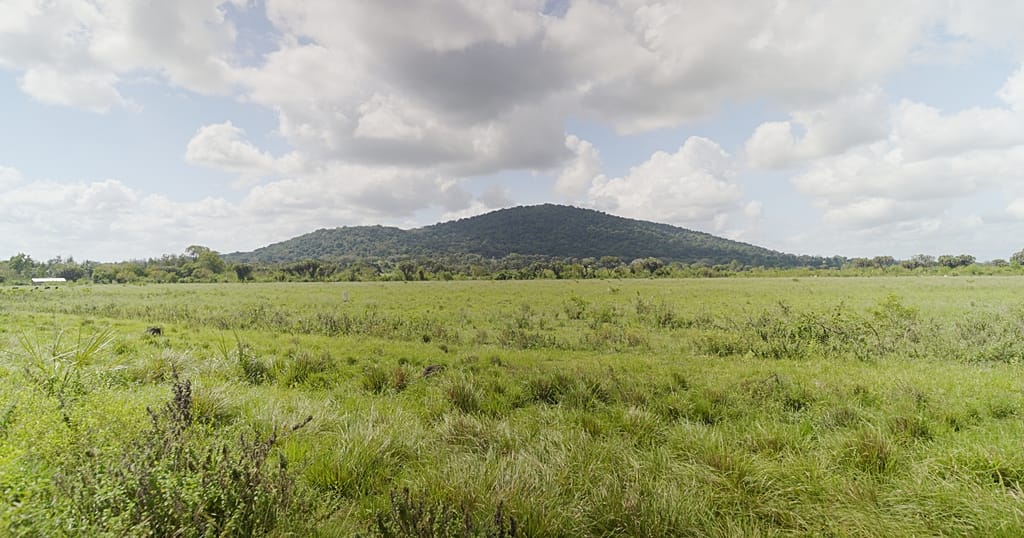
Kenya has selected the American consortium Frontier Minerals to develop a critical minerals project at Mrima Hill, a site that had attracted competing interest from Chinese and Australian companies.
The Ministry of Mining announced the successful bidder on Thursday, 19 November, describing the award as a "gateway to meaningful local partnership and strict regulatory compliance".
The planned mine and processing complex in Kwale County, on the Kenyan coast, is regarded as a potentially significant source of niobium, a metal used in aerospace, energy and electronics, as well as rare earth elements. Some reports have valued the deposits at more than $60 billion, although experts involved in the tender say that figure is far from confirmed and point to the heavy cost of extraction and processing.
Washington's minerals push
Securing access to critical minerals has become a central plank of US President Donald Trump's Africa policy, and Kenya has been a priority. American officials have taken part in high-level mining talks in the country in recent months, and Marc Dillard visited Mrima Hill in mid-2025 while serving as interim US ambassador. Residents told AFP that Chinese nationals were turned away from the site a few months later.
Earlier this year President William Ruto said a mining agreement with the United States was close to completion, prompting a Kenyan legal advocacy group to sue the government over transparency and public consultation. RareX, an Australian bidder, told AFP it would contest the award, alleging irregularities in the tender.
Local fears
Mrima Hill is a 390-acre forest that holds sacred shrines of the Digo community and has long supported local farming. Government data show that more than half of the local population lives in extreme poverty, and residents fear eviction or exclusion from any mining revenue.
The site has a troubled history. Kenya revoked a licence held by Cortec Mining Kenya in 2013, citing environmental and licensing irregularities, and Cortec's head, Jacob Juma, was shot dead in 2016. Nairobi resumed issuing mining licences in 2025 and aims to raise the sector's share of GDP from 0.8 per cent to 10 per cent by 2030.