Construction boom puts Nairobi's tree cover and green spaces under pressure
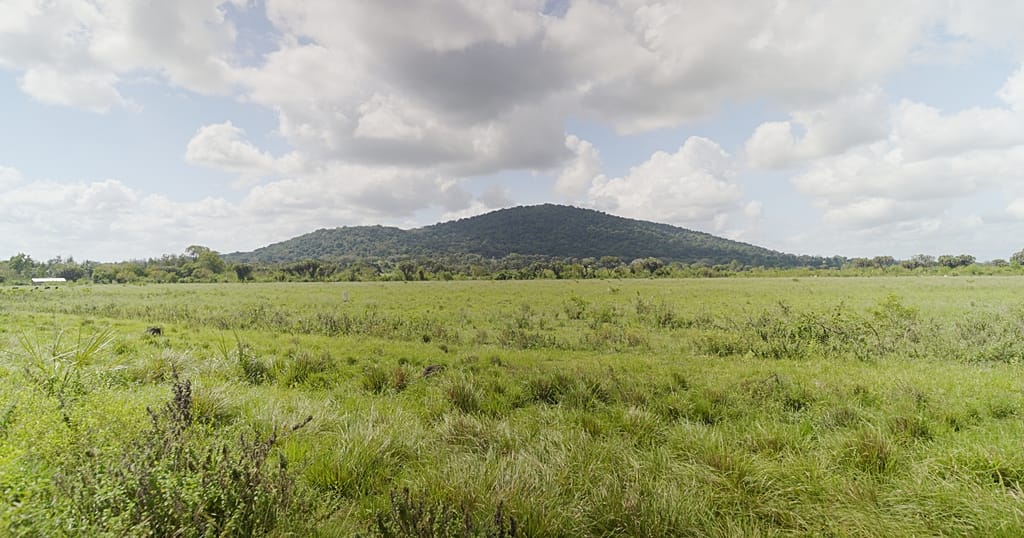
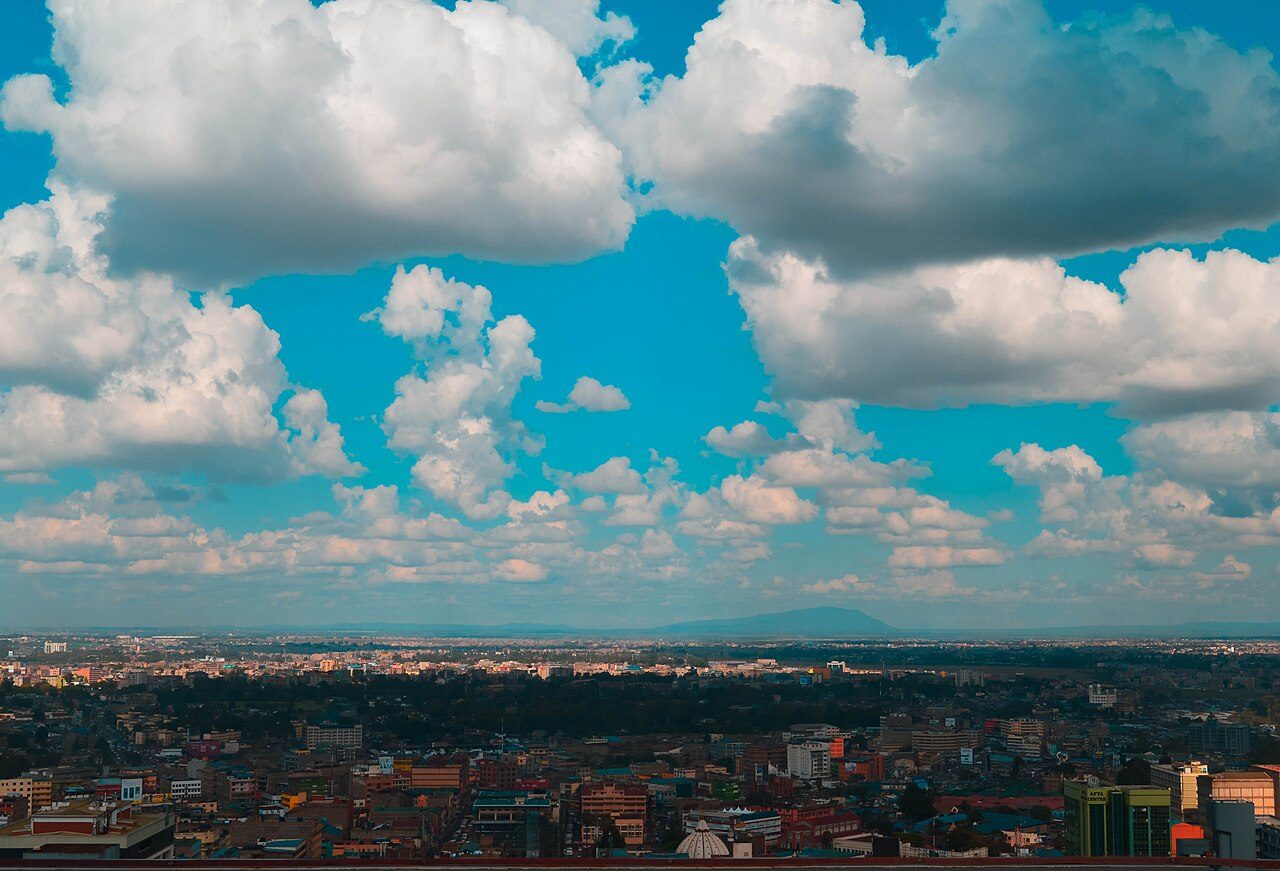
Road building and rapid urban growth are costing Kenya's capital its trees, testing its reputation as the 'Green City in the Sun' weeks after a court halted a car park at Nairobi National Park.
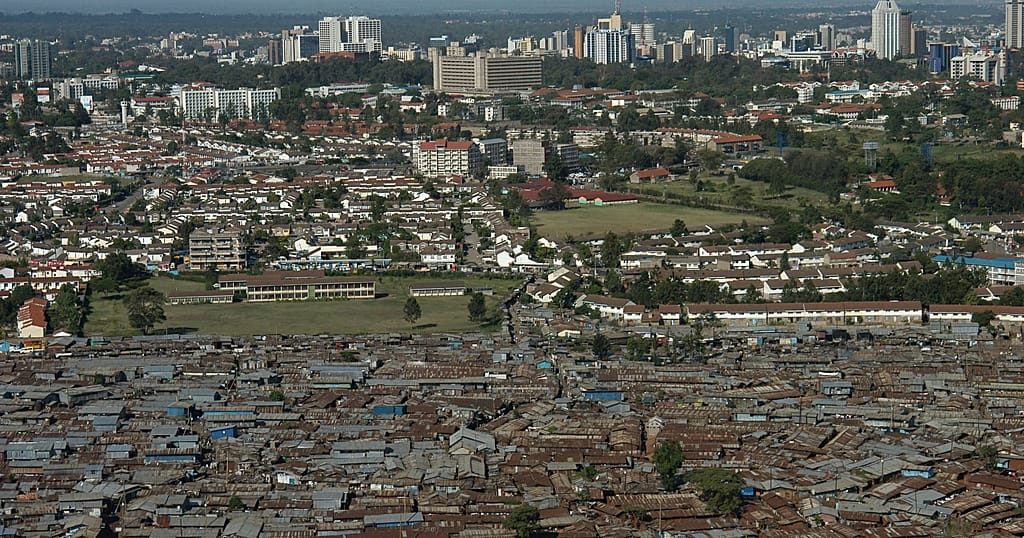
Heavy machinery clearing trees to make room for wider roads has become a common sight in Nairobi, as Kenya's capital undergoes a construction boom driven by a fast-growing population.
Figures from Kenya's National Treasury show that the construction sector expanded by 6.8 per cent in 2025, a sharp acceleration from growth of 0.7 per cent the year before. Private building completions in Nairobi reached 25,090 over the course of 2025.
Mr Nickson Otieno, an architect and sustainability practitioner at the consultancy Niko Green, said the city had no spare land and that new development therefore had to take place on land already in use. He argued that planners should first establish whether a site is gazetted or protected for conservation, and that where land zoned for building holds trees or other biodiversity, deliberate decisions must be taken about how much of it to preserve.
Wildlife adapting
The changes are also altering the behaviour of the city's wildlife. Marabou storks, a familiar presence in Nairobi, once nested and perched in trees but are now increasingly seen on billboards and buildings. Ornithologist John Musina said the number of birds in an urban setting was a good indicator of a city's environmental health.
Legal challenges
Several government-led projects in Nairobi have in recent months faced street protests and court action. On 27 October, the Environment and Land Court issued conservatory orders halting work on a proposed car park at Nairobi National Park, following a suit brought by 4,642 activists. Despite that ruling, dozens of other public and private projects remain under way across the city, and tree felling continues in several districts.
Mr Kelvin Kubai, an environmental law advocate, said Nairobi had steadily lost its green character over the past decade at the hands of developers who regard trees as an obstacle to be removed rather than an essential part of the city's identity.