
Kenya discharges its last Ebola patient and begins 42-day countdown
Seven of the country's nine patients have recovered, but a Saudi visa suspension imposed during the outbreak continues to weigh on Kenyan workers bound for the Gulf.
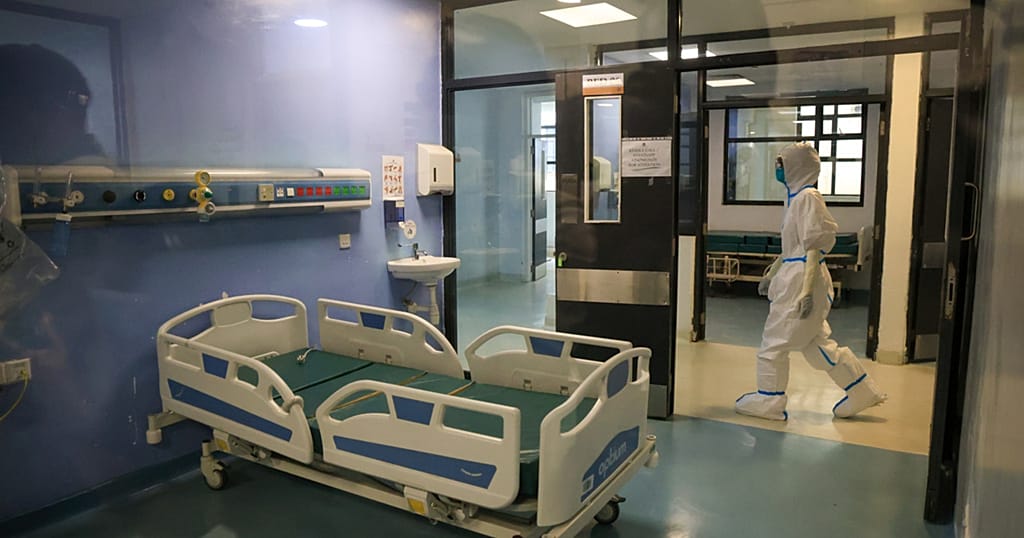
Kenya has discharged its last remaining Ebola patient, starting a 42-day observation period at the end of which the country can be declared free of the disease.
Health Minister Aden Duale announced the discharge on Wednesday 11 November. He said the waiting period, which is twice the longest known incubation period of the virus, would run until 23 December, and that the government would keep its prevention measures in place until then.
Nine cases, two deaths
Kenya recorded nine cases in October. The first patient had travelled from the Democratic Republic of Congo through Uganda and went on to infect four members of his family and four health workers. He and his mother died, while the other seven patients have made a full recovery.
The authorities traced 135 people who had been in contact with the first patient. According to the Ministry of Health, every confirmed case was linked to that contact list, an indication that the virus did not circulate in the wider community.
Kenya has also set aside a single gate at its main international airport for passengers arriving from 10 countries that have either reported cases or border countries with active outbreaks. Arrivals are screened with thermal cameras and must complete a health declaration form.
A regional emergency
The wider outbreak, caused by the Bundibugyo strain and described as one of the worst on record, has infected more than 11,000 people in the region since May. In DR Congo, the epicentre, the government said on Wednesday that 11,042 people had been infected and 5,387 had died. Travellers from Congo have also carried the virus to Uganda and Nigeria.
Workers caught by visa ban
The outbreak has had economic consequences for Kenyan households. Saudi Arabia suspended visas indefinitely on 30 October, affecting hundreds of Kenyans, many of them domestic and hotel workers, who were due to take up jobs in the Gulf. The Ministry of Health has urged Riyadh to reconsider, pointing out that Kenya's first case was imported and that all later infections were traced to known contacts.