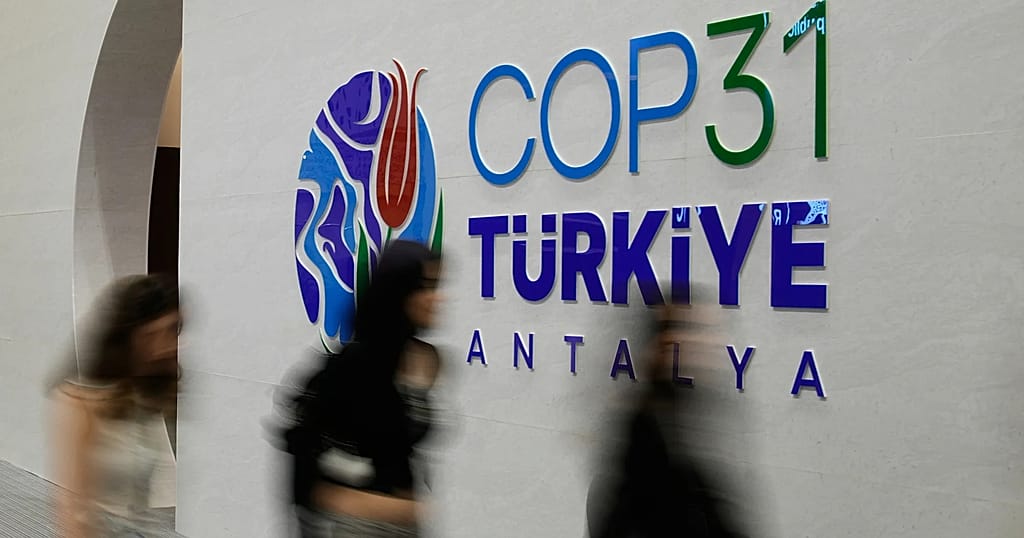
COP31 ends without agreement in Antalya after draft omits any reference to fossil fuels
The collapse of the UN climate talks in Turkey leaves countries relying on the Paris Agreement and earlier COP pledges, days after African negotiators pressed for concrete action on climate justice.
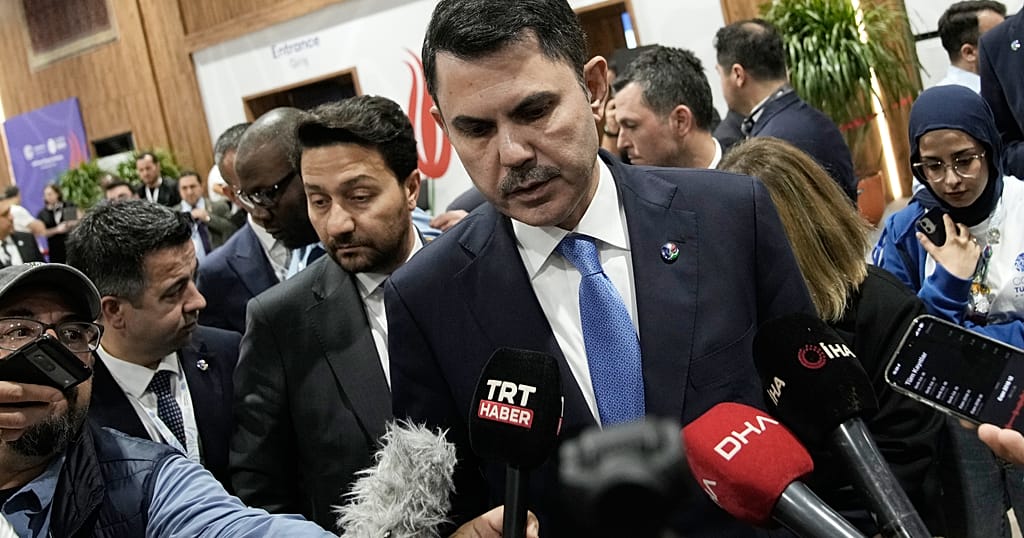
The United Nations climate conference in Antalya, Turkey, broke down on Sunday 22 November without an agreed outcome, after delegates rejected a final draft that made no mention of fossil fuels.
European governments and a large bloc of smaller states exposed to climate disasters and rising seas refused to endorse the text. They argued that it stripped out important safeguards and tilted the outcome in favour of countries that export oil, gas and coal, the principal sources of the emissions driving global warming.
Presidency concedes defeat
Murat Kurum, Turkey's Environment Minister and President of COP31, told the closing session that consensus had not been reached. "I understand that there is no agreement on this text. For that reason, these decisions have not been adopted," he said.
Mr Kurum said his team had worked "day and night" in pursuit of a stronger result. The meeting overran its schedule by two days, and he made clear that no further document would be tabled after the fourth draft was turned down.
The proposal, drawn up by Turkey and Australia, stated that it recalled in full the agreement reached in Dubai three years ago, which called for "transitioning away from fossil fuels". That was the first time a UN climate outcome had explicitly referred to fossil fuels in a quarter of a century of negotiations. Many governments and environmental groups judged a simple reference back to Dubai to be insufficient.
What it means for Africa
With no new overarching decision, climate action is expected to fall back on existing frameworks, chiefly the Paris Agreement and commitments made at previous conferences.
The outcome is a setback for African delegations. As the talks went into overtime on Friday, the African Group of Negotiators on Climate Change had called for concrete measures on climate justice, and earlier this week it rejected what it regarded as a weakened draft.