Francophonie summit opens in Phnom Penh as DR Congo and Rwanda clash over secretary-general race
Kinshasa has threatened to leave the International Organisation of La Francophonie if Rwanda's Louise Mushikiwabo wins a third term, putting the unity of the organisation to the test.
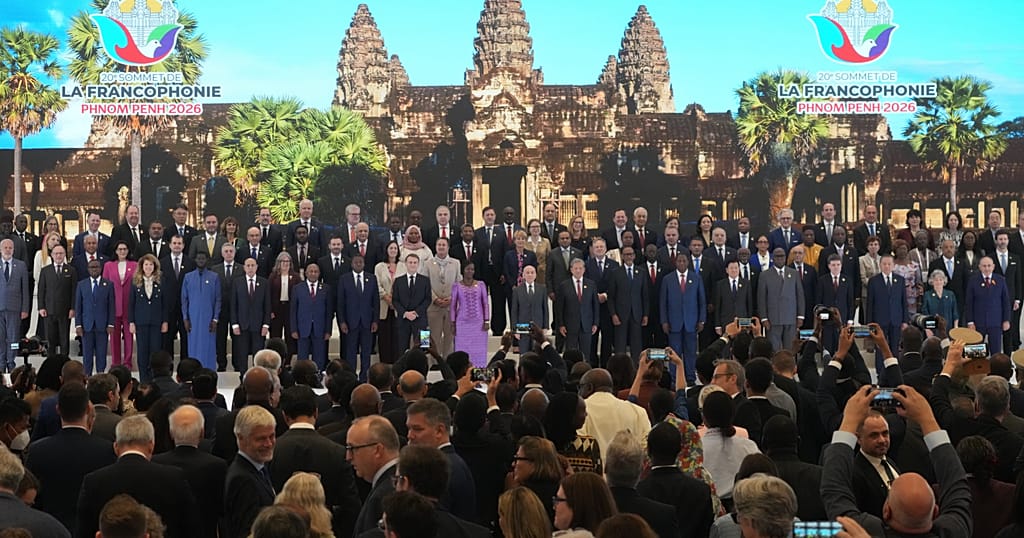
The 20th Summit of La Francophonie opened in the Cambodian capital, Phnom Penh, on Sunday, bringing together heads of state and government and senior delegations from more than 80 French-speaking states and territories. The two days of talks have been dominated by a dispute between the Democratic Republic of Congo and Rwanda over who should lead the organisation.
Member states are due to choose a secretary-general for a four-year term on 16 November. Rwanda's Louise Mushikiwabo, who has led the International Organisation of La Francophonie (OIF) for eight years, is seeking a third term. Kinshasa firmly opposes her bid and has threatened to withdraw from the organisation if she is re-elected.
Rival candidates
The DR Congo has put forward Juliana Lumumba, daughter of the independence hero Patrice Lumumba. On Saturday Kinshasa said it was prepared to withdraw her candidacy if Rwanda did the same. The DR Congo accuses Rwanda of backing the M23 armed group in the east of the country, an accusation Kigali rejects.
France, which supported Ms Mushikiwabo in 2018 when relations with Kigali were warmer, has publicly declared itself neutral this year. Earlier in the week, however, Rwanda criticised Paris for interfering, saying President Emmanuel Macron had asked President Paul Kagame to withdraw his country's candidate, a request Kigali said it turned down. The Élysée said on Saturday that it had suggested both candidates step aside in the interest of unity.
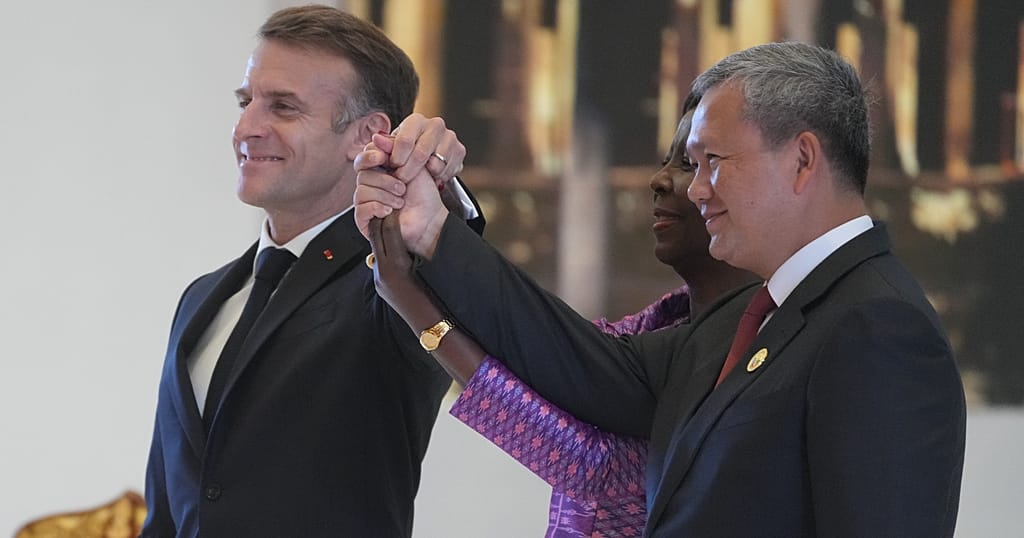
Opening the summit, Mr Macron cautioned against "internal fractures" and said the organisation must preserve "what constitutes its strength - namely, its unity". He argued that a shared language should encourage dialogue and mediation.
Stakes for the organisation
The OIF groups around 90 states and governments, 53 of them full members. It has already lost Mali, Niger and Burkina Faso, which left last year after military takeovers. A Congolese exit would be a significant blow: according to the OIF, the DR Congo has 57.3 million French speakers, more than any country except France.