DR Congo's Ebola burial teams face stigma and attacks as outbreak passes six months
Community burial workers in North Kivu, among them women accused by neighbours of spreading the virus, are central to efforts to halt what is now the country's deadliest Ebola epidemic.
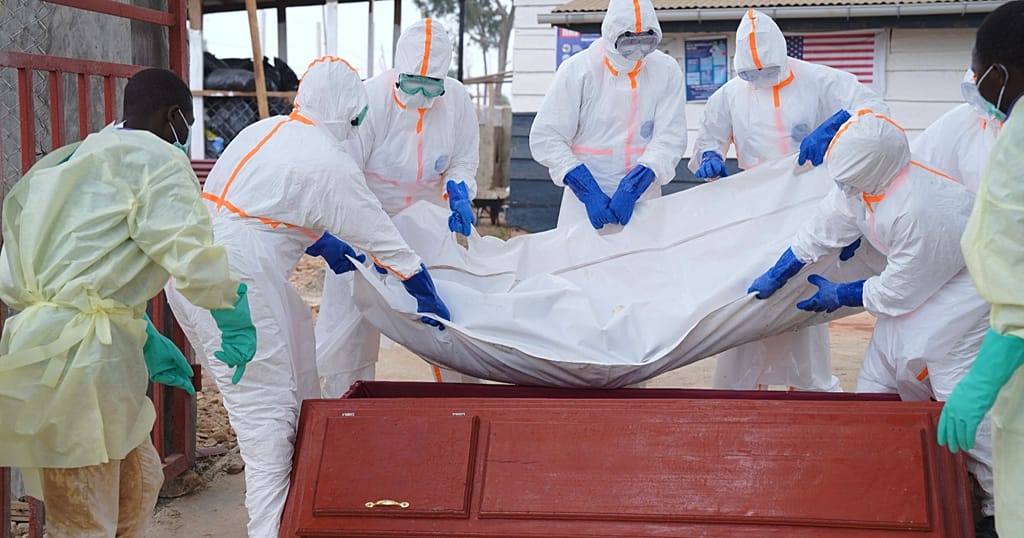
Teams responsible for burying Ebola victims in eastern Democratic Republic of Congo are working under the threat of infection, hostility from communities and personal prejudice, as the response struggles to bring the outbreak under control six months after it was declared.
On 17 November a dignified and safe burial team was dispatched to collect the body of a person who had died of Ebola in Kokola, near Beni in North Kivu province. One of its members, Chimène Mwanaki, said women in the response face particular suspicion. "Some people tell us that we might even kill our husbands (through contamination)," she said, adding that some neighbours claim female workers will never find anyone to marry them.
Community teams fill the gaps
The Dignified and Safe Burial programme has set up community-based teams, known as ECUMAIR, to handle deaths in areas not covered by the main burial units, with the aim of breaking chains of transmission.
Jean Manina, who supervises the teams in the Oicha health zone, said he begins each day by checking for alerts. This week he visited the local team in Erengueti to ensure that burial protocols are followed, particularly when workers remove their protective equipment, a moment of high infection risk.
Burial workers are sometimes attacked by residents who wrongly accuse them of mutilating bodies, because the teams take samples to establish whether Ebola was the cause of death. Mr Manina said some neighbours accuse workers of profiting from the response. "And yet that's not true, we're fighting to break this chain (of Ebola transmission)," he said.
A record outbreak
Government data show more than 11,000 recorded cases, with nearly half of those infected having died. It is the deadliest Ebola outbreak in the country's history and is on course to exceed the toll of the 2014 to 2016 West African epidemic, which killed 11,000 people.
When the outbreak was announced in mid-May, 43 deaths had already been recorded, suggesting the virus had spread undetected. It has since reached eight of the country's 26 provinces.