Francophonie postpones election of its secretary-general to late 2027 amid DR Congo-Rwanda row
Member states meeting in Phnom Penh failed to reach consensus after Kinshasa threatened to leave the organisation if Rwanda's Louise Mushikiwabo won a third term.
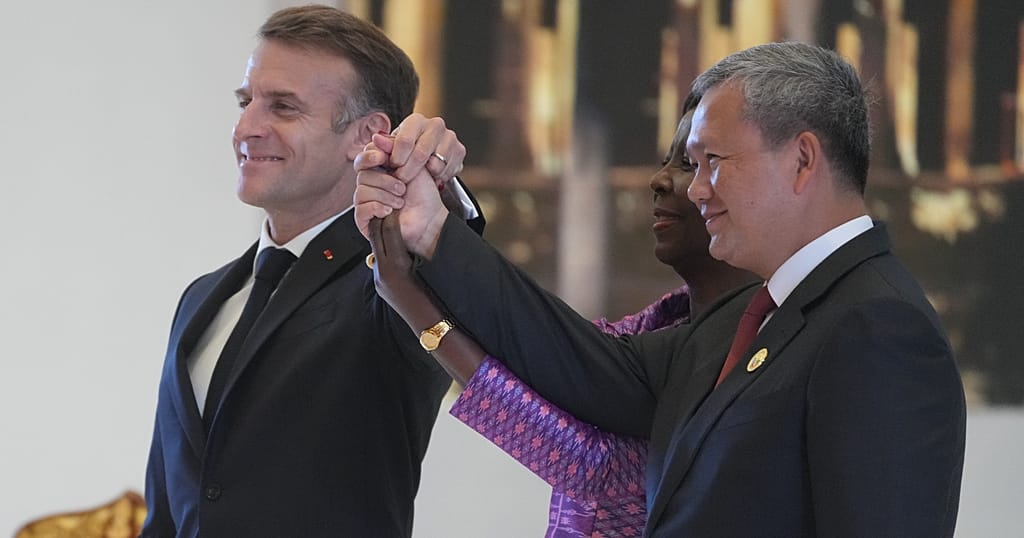
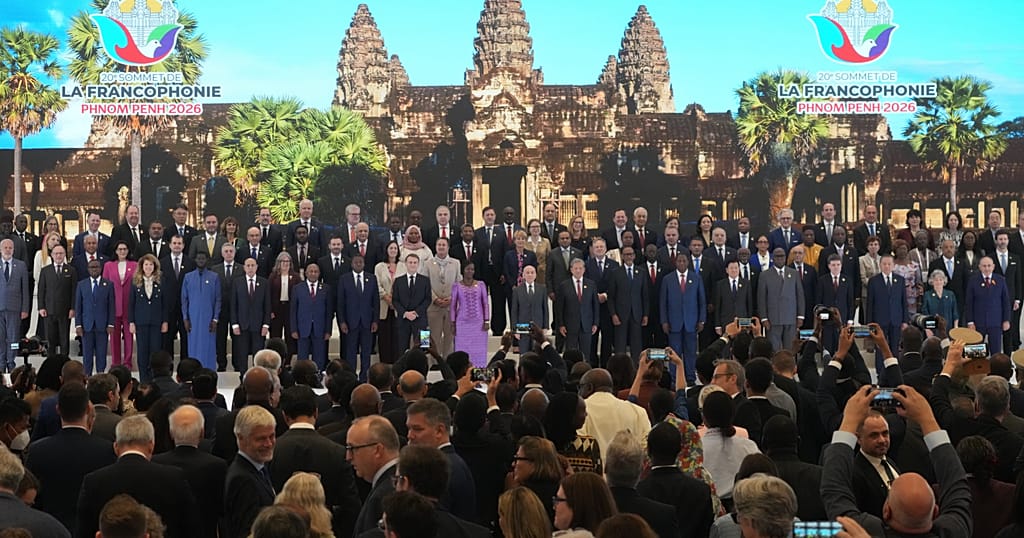
The International Organisation of La Francophonie (OIF) has put off the election of its secretary-general until the end of 2027, after the diplomatic dispute between the Democratic Republic of Congo and Rwanda left member states unable to agree on a candidate at their summit in Phnom Penh, Cambodia.
The vote had been expected to take place during the gathering. Tensions rose sharply in the run-up after the Congolese government warned that it would withdraw from the organisation if Rwanda's Louise Mushikiwabo, the outgoing secretary-general, secured a third term. With no consensus in sight, member states agreed to defer the decision.
Ms Mushikiwabo said the election would now be held at the end of 2027 and confirmed that she intends to remain a candidate. She acknowledged that she had come under intense pressure to step aside, but said she had kept her candidacy because she wished to continue serving the organisation and was committed to the reforms under way.
Stakes for the organisation
The dispute reflects the wider conflict in eastern DR Congo. Kinshasa accuses Kigali of backing the M23 armed group, which has seized large areas of the east of the country, an accusation Rwanda denies.
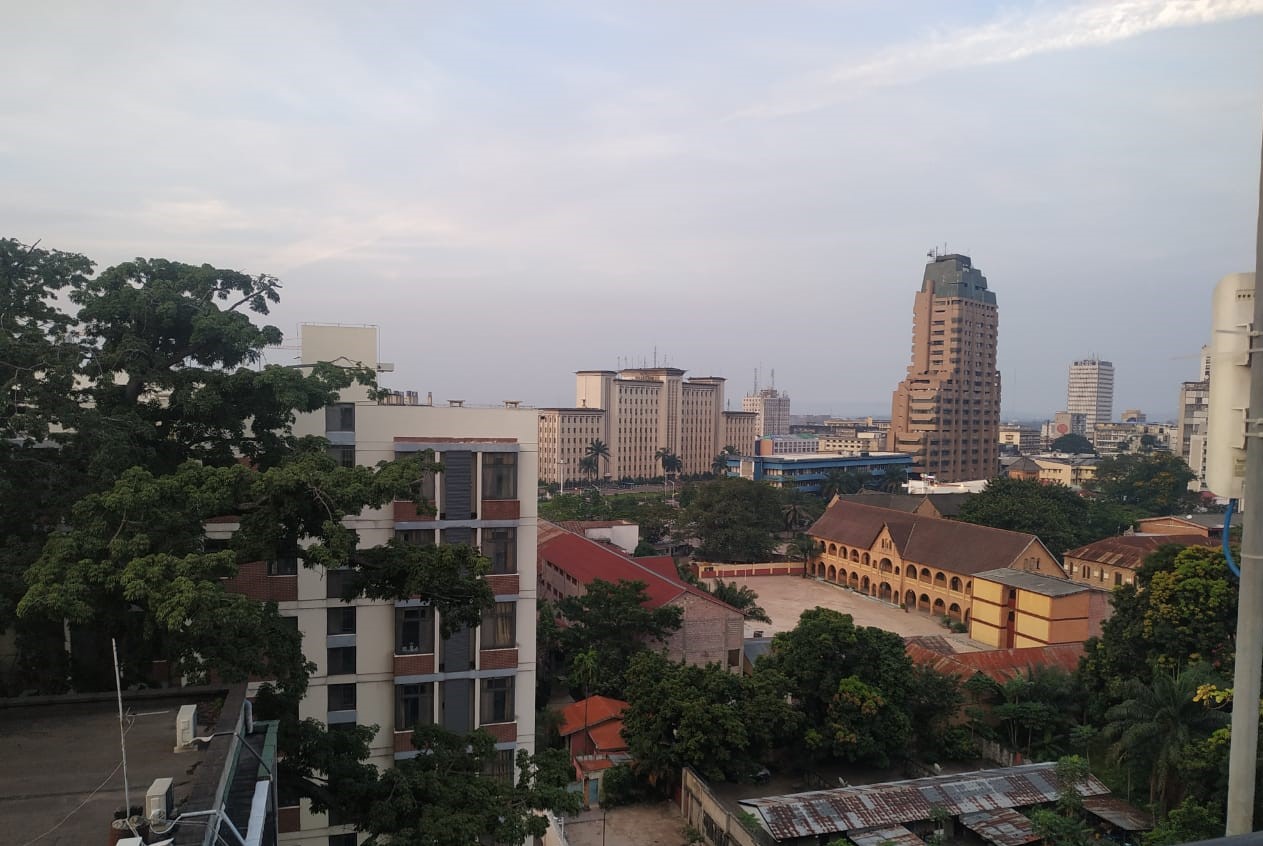
A Congolese withdrawal would be a significant blow to the OIF. DR Congo is home to millions of French speakers and is the second-largest French-speaking nation in the organisation after France.
The postponement leaves the question of the OIF's leadership open for another year while relations between Kinshasa and Kigali remain strained.