
Up to 50,000 Ethiopians flee to Kenya as clashes escalate around Moyale
UN agencies are seeking $8.9 million to support those who have crossed the border since fighting erupted between the Oromia and Somali regions.
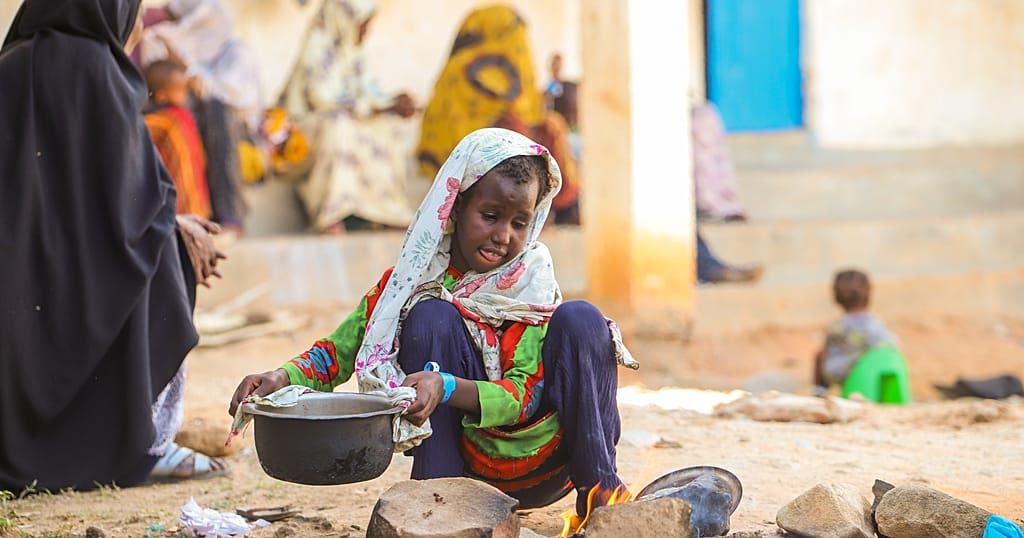
As many as 50,000 people have crossed from Ethiopia into Kenya since 22 October to escape fighting on the Ethiopian side of the border, according to the United Nations refugee agency (UNHCR), citing local authorities. The figure has risen sharply from the 36,000 reported earlier, and registration and verification are continuing.
Some of the new arrivals are staying with relatives and host communities in the Kenyan border town of Moyale; others are sheltering in schools and churches. Those displaced have been granted temporary international protection status.
Fatuma Ahmed, who was separated from her family after her house was burned, is now at the Al-Huda site. "Here I am safe. I have somewhere to sleep even if it is on the floor. We also have water even if it is not enough," she said.
UNHCR teams are working with the Kenyan government's Department of Refugee Services and county authorities, alongside IOM, UNICEF, WFP and the Kenya Red Cross. The agency's representative in Kenya, Fatima Mohammed-Cole, thanked the government and said efforts were focused on preventing outbreaks of communicable disease. The most urgent needs are food, safe drinking water, sanitation and health care. UNHCR, UNICEF and WFP have jointly appealed for $8.9 million.
Roots of the conflict
According to the conflict monitor ACLED, the latest fighting was triggered on 18 October by a confrontation over the opening of a Somali regional administration office, and the raising of its flag, in a disputed part of Ethiopian Moyale, a town divided between the Oromia and Somali regional administrations. ACLED analyst Jalale Getachew Birru traces the violence to a long-standing boundary dispute between the Borana Oromo and Garre Somali communities.