
Ethiopia: reusable sanitary pads help girls stay in school
An Addis Ababa workshop producing 1,000 washable pads a day is tackling cost, stigma and absenteeism.
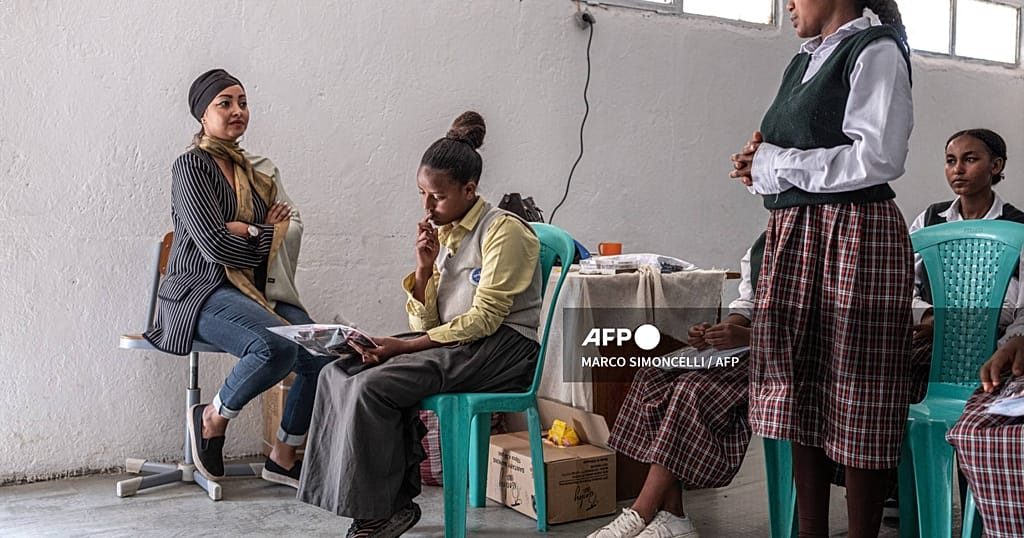
Ethiopia imports all of its sanitary pads, and their cost places them beyond the reach of many girls and women. For those who cannot afford them, the consequences include missed schooling, lost income and recourse to unsafe alternatives.
In a small workshop in central Addis Ababa, women sew washable cotton pads that can be reused for up to two years. The business, Han's With Care, was founded in 2021 by Hanan Ahmed, 41, who left the fashion industry after recalling her own experience as a schoolgirl. "I used to be one of those girls who have a very heavy flow," she said, explaining that she would miss one or two weeks of school. "So I said, I just want to do my part in the community."
The workshop can produce about 1,000 pads a day. Sponsors, including banks, distribute them free of charge to girls and women across the country.
At Nigat Kokeb School in Addis Ababa, Betselot Mahareg, 15, said the reusable pads spared her the embarrassment of leaks. Her teacher, Tigist Shewangizaw, said preparing girls before their first period helped prevent fear, isolation and absence from class.
Stigma surrounding menstruation persists in parts of Ethiopia, and in some rural areas girls are excluded from household activities during their periods. Ms Ahmed takes a different approach at home: when her daughter began menstruating, she said, "we celebrated it as her womanhood".