Egypt raises $658 million in Banque du Caire flotation
The sale of a 45 per cent stake is among the country's largest privatisations in years and forms part of its IMF-backed reform programme.
Egypt raised about 36.37 billion pounds ($658 million) on Monday through the initial public offering of the state-owned Banque du Caire, one of the largest asset sales the country has undertaken in years.
Banque Misr, the majority shareholder, sold 6.86 billion shares, equivalent to 45 per cent of the bank, at 5.30 pounds per share. The offering valued the lender at approximately 80.83 billion pounds ($1.46 billion). The International Finance Corporation and the European Bank for Reconstruction and Development were among the principal investors; the EBRD took a 6.9 per cent stake for $100 million.
The sale forms part of reforms agreed under Egypt's programme with the International Monetary Fund, which aim to expand the role of the private sector and reduce the state's footprint in the economy. The government has committed to selling stakes in more than 30 state-owned enterprises.
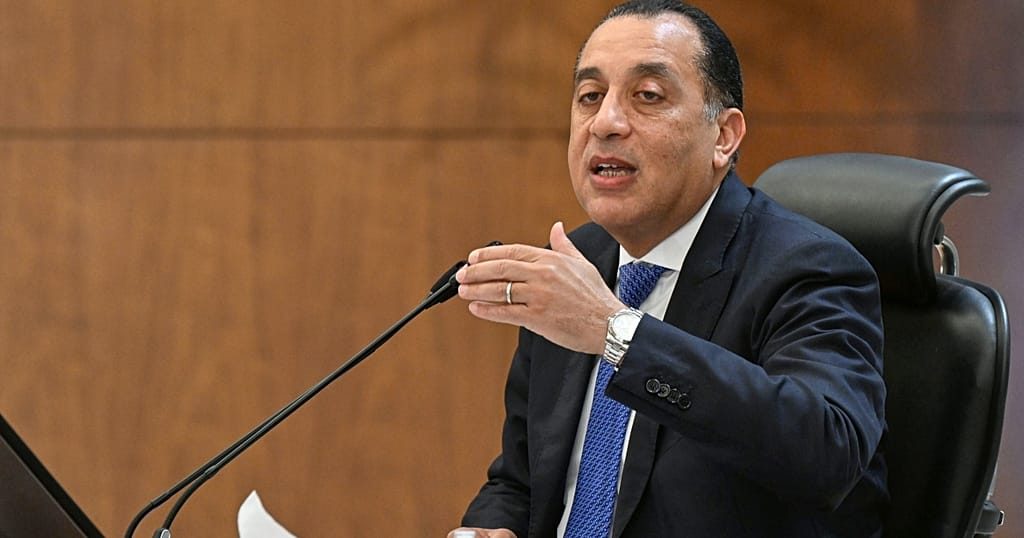
Prime Minister Mostafa Madbouly said the listing had proceeded despite regional tensions and that the government would continue its programme of offerings in order to unlock value from public assets.
Banque du Caire, founded in 1952, is Egypt's third-largest state-owned bank. Its chief executive, Hussein Abaza, said the flotation had been "more than 20 years on and off", and described it as "a sign that the country is serious about privatisation".