UN Security Council weighs drawdown of MINUSCA as Central African Republic mandate nears expiry
The peacekeeping mission, deployed in 2014, has already shut or moved 21 bases this year, while armed groups remain active along the borders with Chad, Sudan and DR Congo.
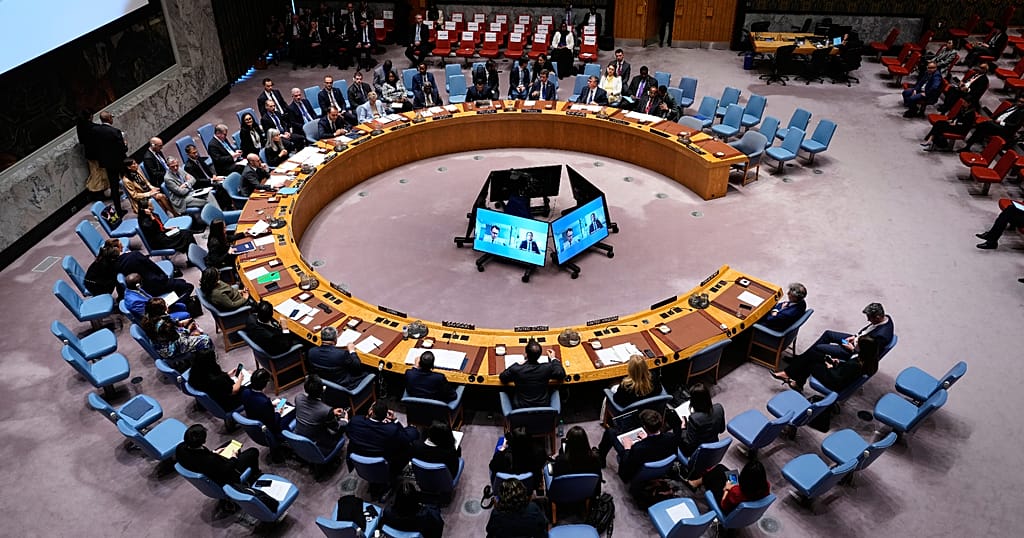
The United Nations Security Council was due on Thursday, 12 November, to decide whether to renew the mandate of MINUSCA, its peacekeeping mission in the Central African Republic, which lapses this weekend. Council members are considering a gradual reduction of the force.
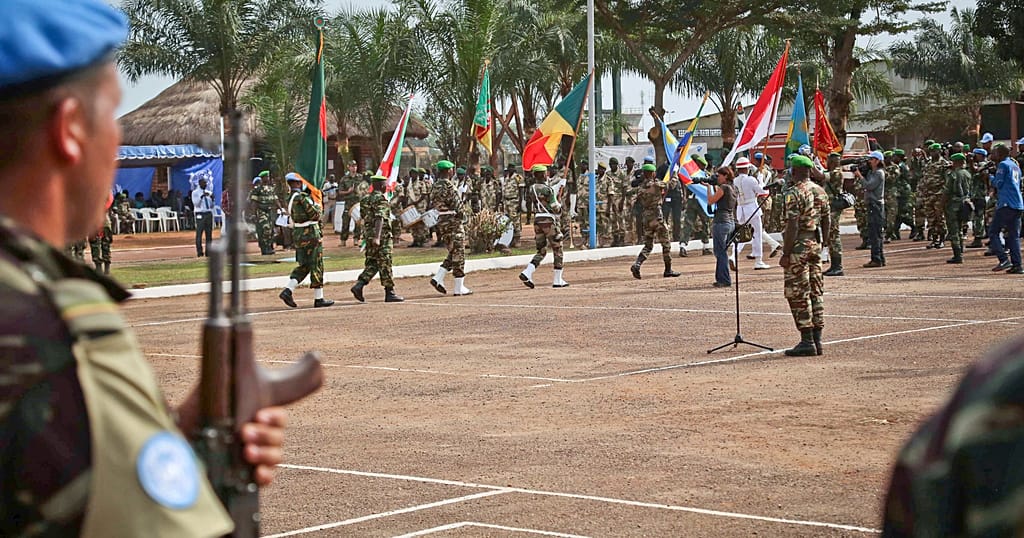
MINUSCA arrived in 2014 at the height of the country's civil war and has already started to shrink its footprint. Between January and June this year it closed or relocated 21 of its bases. The mission still fields close to 10,000 soldiers and about 2,000 police officers.
A fragile improvement
Security has improved considerably since the darkest period of the conflict, but several armed groups continue to operate, particularly in the border regions next to Chad, Sudan and the Democratic Republic of Congo.
In the south-east, attacks blamed on remnants of the Lord's Resistance Army reportedly killed four people between June and September. Around 68 civilians, among them 40 children, are reported to have been abducted over the same period.
Violence across the frontier with Sudan has also spilled over. An attack in June in Am-Dafock, on the Sudanese side of the border, reportedly left 29 people dead and forced some 17,500 people from their homes.
Bangui's position
President Faustin-Archange Touadéra has called for the peacekeepers to leave in phases rather than all at once.
The Council's vote will set the terms under which the mission continues once the current mandate expires.