UN Security Council extends MINUSCA mandate in Central African Republic until November 2027
The unanimous vote renews the peacekeeping mission for another year while adjusting its troop levels and steering it towards a gradual handover to national institutions.
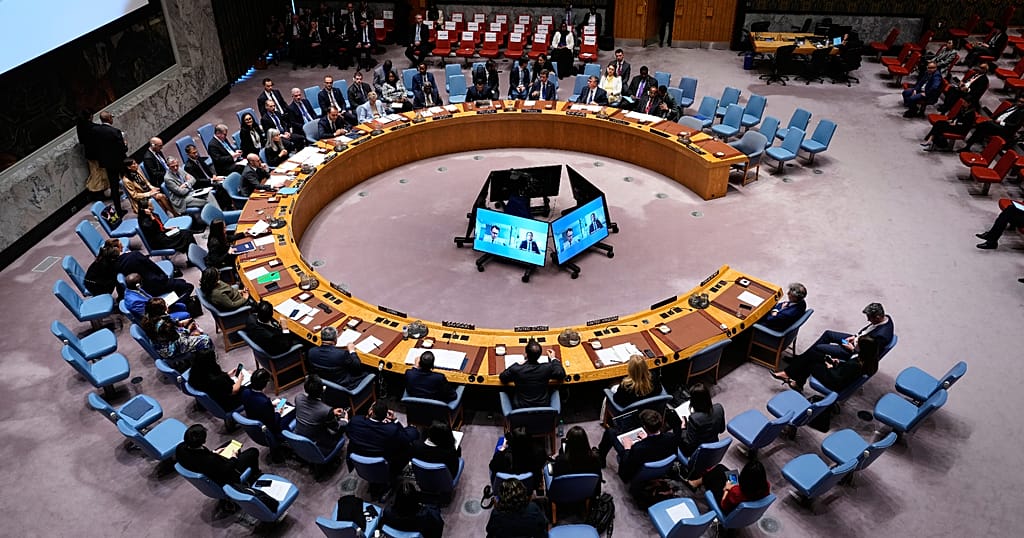
The United Nations Security Council has voted unanimously to renew the mandate of its peacekeeping mission in the Central African Republic, MINUSCA, until 15 November 2027. The decision came days before the existing mandate was due to lapse and ends weeks of discussion over whether the mission should be scaled back.
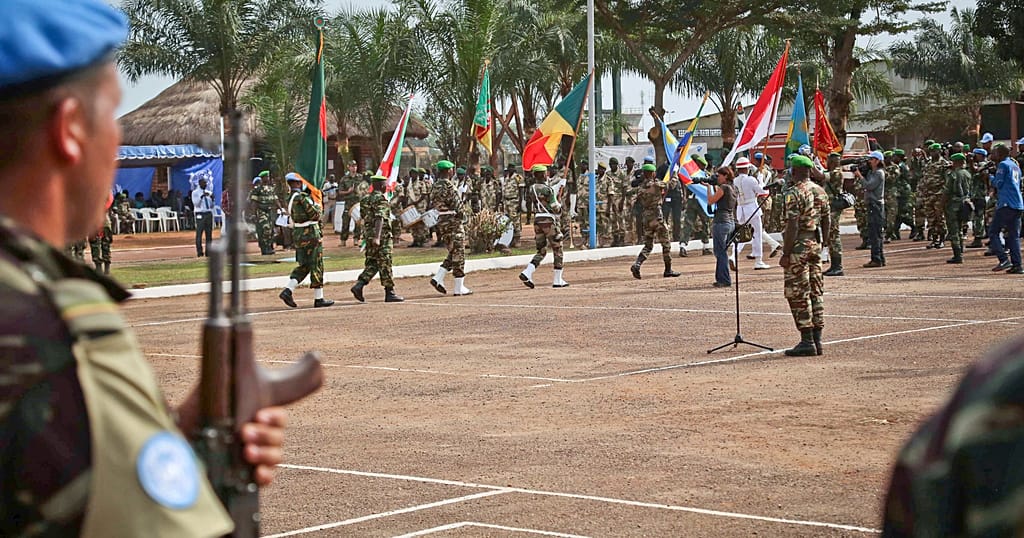
The resolution, drafted by France, revises the mission's priorities to reflect the changing security picture and adjusts its troop numbers, although the new ceiling was not disclosed in reports of the vote. MINUSCA will support the deployment of national security forces, including a pilot project for a garrison army, and will continue its work on disarmament, demobilisation and reintegration, the fight against impunity and the protection of human rights. Particular attention is to be paid to helping the government in border areas.
Calls for adequate resources
Speaking before the vote, Jérôme Bonnafont, France's Ambassador to the UN, said the text gave the mission a framework to consolidate its gains while continuing to back the authorities in Bangui.
Lewis Garseedah Brown II, Liberia's Permanent Representative, spoke on behalf of Liberia, the Democratic Republic of Congo and Somalia. He argued that national institutions and the UN country team must be given the means to take on the tasks being transferred to them. "A task handed over must remain a task delivered," he said. He also warned that the UN's liquidity crisis should not be allowed to undermine the mission, and urged member states to pay their assessed contributions in full and on time.
The Central African Republic's Permanent Representative, Marius Aristide Hoja Nzessioue, welcomed the renewal. "MINUSCA is among those operations that best demonstrates the tangible utility of peacekeeping," he said, expressing hope that the country's experience would become a model of a successful transition.
Established in 2014, MINUSCA has protected civilians, helped extend state authority across the country and supported political and security reforms. The principal challenge for the coming year will be ensuring that the gradual handover to national forces does not leave security gaps that armed groups can exploit.