The Gambia hails ICJ ruling that Myanmar committed genocide against the Rohingya
Banjul, which brought the case to the International Court of Justice in 2019, says the judgment belongs to the Rohingya and has urged Myanmar to comply with the court's orders on prosecutions and reparations.
The Gambia on Thursday welcomed a landmark judgment by the International Court of Justice (ICJ) finding that Myanmar committed genocide against its Rohingya minority, bringing to a close a case the small West African state launched seven years ago.
Judges at the Hague-based court ruled by nine votes to six that Myanmar had committed genocide against the Rohingya in northern Rakhine state. It is the first time the United Nations' highest court has found a state responsible for the crime.
A case brought by Banjul
The Gambia, a Muslim-majority country, filed the case in 2019, two years after the Myanmar military's crackdown on the predominantly Muslim Rohingya. It did so after the departure of former military ruler Yahya Jammeh, whose government was responsible for widespread abuses against civilians.
The court rejected Myanmar's argument that its 2017 campaign was a legitimate counter-insurgency operation. It found that the country's security forces killed thousands of Rohingya civilians, committed sexual violence and acts of extreme violence against children, and attacked people fleeing in large numbers.
Myanmar was ordered to investigate those suspected of carrying out genocidal acts, to prosecute and punish them where warranted, and to pay compensation to the Rohingya.
"Today they were believed"
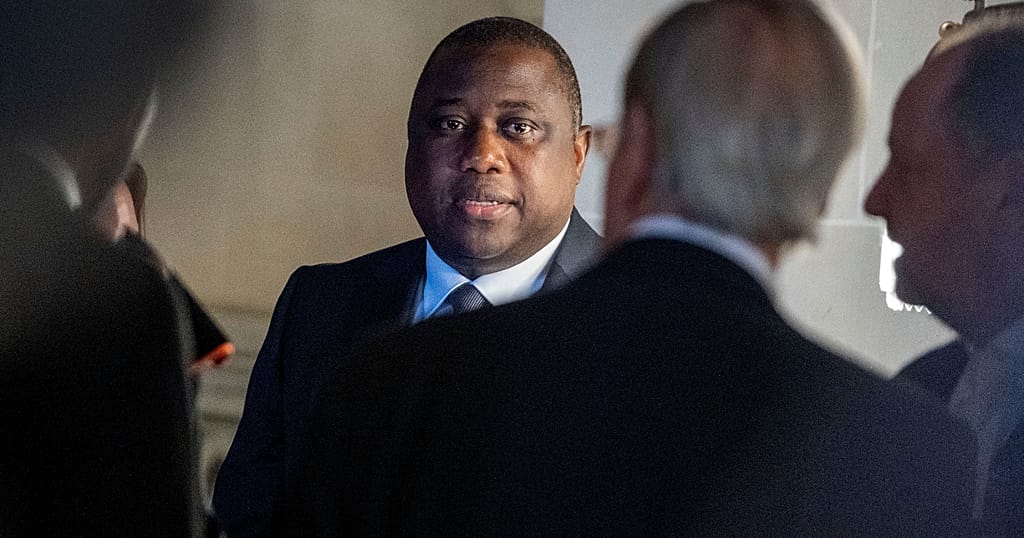
Speaking in The Hague after the verdict, the Gambian Justice Minister and Attorney General, Dawda Jallow, said the court had found that Myanmar breached the 1948 Genocide Convention and had ordered it to make reparations.
"This is the first time the court has found a state responsible for committing genocide, the crime of crimes," Mr Jallow said. "The victory belongs to the Rohingya. They survived. They testified, and today they were believed."
He said The Gambia would continue to stand with the Rohingya and would work with partners both bilaterally and multilaterally. While Banjul is counting first on Myanmar's voluntary compliance, Mr Jallow noted that the UN system, including the UN Charter, could be used to ensure the decision is enforced.