Phumzile Mlambo-Ngcuka, South Africa's first woman deputy president and former UN Women chief, dies at 71
Tributes poured in from President Ramaphosa and the United Nations for a politician who spent eight years leading the global body's agency for gender equality.
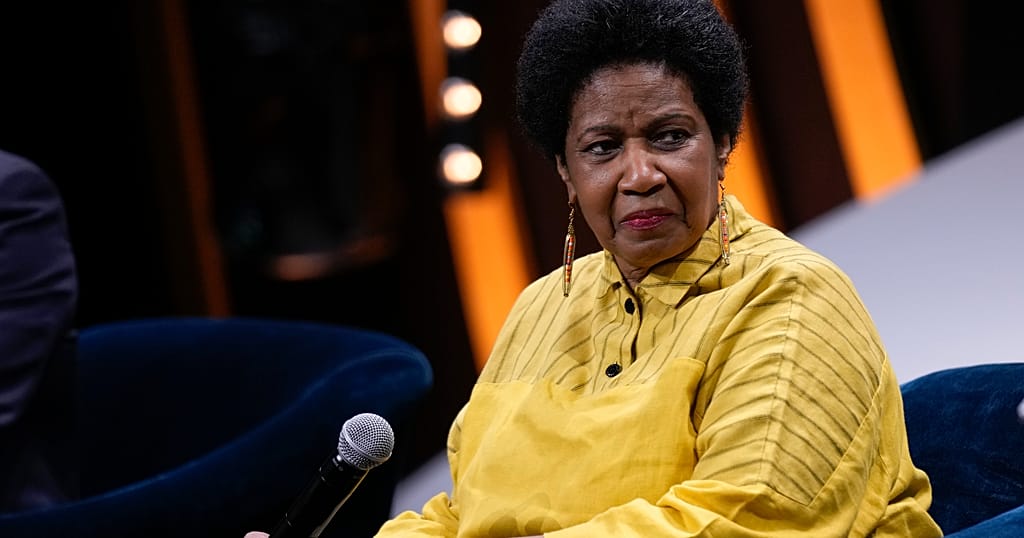
Phumzile Mlambo-Ngcuka, who became South Africa's first female deputy president and later led UN Women, has died at the age of 71. Her family said in a statement that she passed away on Friday 20 November from complications following a medical procedure she had undergone roughly two weeks earlier.
Ms Mlambo-Ngcuka served as deputy president from 2005 to 2008. Before taking that post she was minister of minerals and energy, and she went on to become a United Nations under-secretary-general. From 2013 to 2021 she headed UN Women, the organisation's agency responsible for gender equality and the empowerment of women.
Tributes at home and abroad
President Cyril Ramaphosa described the loss in personal terms. "Our hearts are really, really sad and broken for having lost such a very dynamic woman leader in our country," the Head of State said, adding that she "truly flew the flag of women, not only women of South Africa and Africa, but women of the world."
UN Secretary-General Antonio Guterres, writing on X, called her a "lifelong champion of the rights & empowerment of women and girls." He recalled her conviction that gender equality "is not a favour to be granted, but a right to be claimed."
UN Deputy Secretary-General Amina Mohammed pointed to her work on behalf of women and girls in Afghanistan, the Democratic Republic of Congo and Nigeria. "She pushed the limits and I think that that's where we got a lot of the confidence to do the things that we do," Ms Mohammed said. UN Women also honoured her, citing the courage and leadership that it said had inspired people across the world.
In South Africa, parliamentary officials, trade unions and political parties sent their condolences, with many highlighting her decades of advocacy for social justice and the rights of women.