South Sudan postpones its first general election to 11 February
The National Elections Commission says the delay will allow time for registration and civic education, as violence, slow voter registration and the detention of Riek Machar raise doubts over the credibility of the vote.
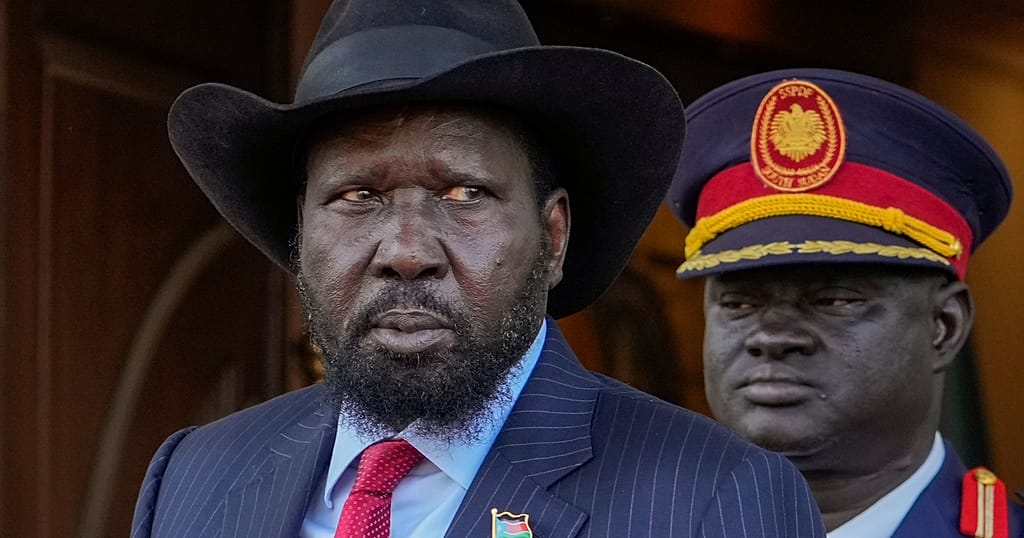
South Sudan has pushed back its first general election since independence in 2011, moving the vote from December to 11 February, the National Elections Commission (NEC) announced as voter registration got under way on Saturday.
The commission said the revised timetable would leave room for additional steps, including the distribution of registration materials and civic education. Its spokesperson, Josephine Achiro, said the change "should not be misconstrued as a discussion to abandon or to call off the elections".
Logistical and political obstacles
More than 3,100 registration centres have been opened across the country. Registration was meant to run for about two weeks, but officials acknowledged that not all the required equipment was in place. The task is complicated by the absence of official identity documents: the World Bank estimates that around 90 per cent of South Sudan's 15 million people have no state-recognised identification.
The announcement comes against a backdrop of rising violence and a bitter power struggle between President Salva Kiir and his former deputy, Riek Machar, who has been under house arrest since March 2025 and faces charges including treason and murder. Regional and international partners had questioned whether the country was ready to hold a credible vote in December, and analysts had warned of a looming legitimacy crisis.
The UN Commission on Human Rights in South Sudan recently cautioned that a December election could trigger widespread conflict if it were used to dismantle the 2018 peace agreement.
NEC chairperson Gabriel Bol Deng Majok urged politicians to avoid violence and to win support "not through violence, not through bullets, only through ballot papers".
A history of delays
Elections were first due in 2015 and have since been postponed several times, with the transitional period repeatedly extended. The 2018 accord, which ended a civil war between forces loyal to Mr Kiir and Mr Machar that left more than 400,000 people dead, created a unity government charged with preparing for elections in 2022. That vote also slipped, and very few of the agreement's provisions have been implemented.