Amnesty says South Sudan and UN peacekeepers ignored warnings before Abiemnom massacre
An investigation by the rights group found that authorities and the UN Mission in South Sudan were warned at least two weeks before an attack in March that killed more than 200 people.
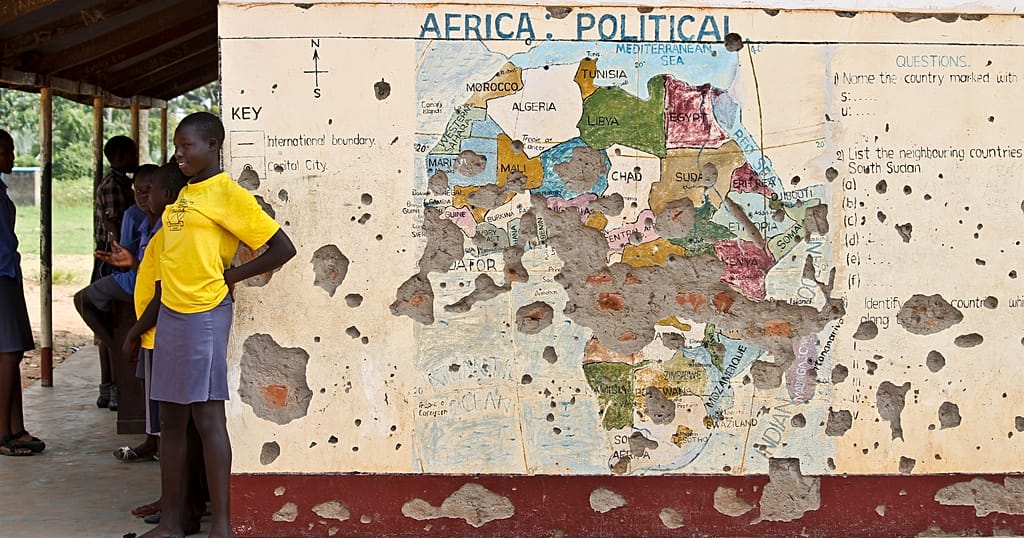
South Sudanese authorities and United Nations peacekeepers failed to act on advance warnings of a massacre that killed more than 200 people in Abiemnom County in March, Amnesty International said on 12 November.
On 1 March, at least 1,000 armed men from the Nuer community launched a four-hour assault on the county, which lies near the border with Sudan. Children were among the dead, and many others were wounded.
Warnings went unheeded
Amnesty's investigation found that both the government and the UN Mission in South Sudan (UNMISS) were told at least two weeks beforehand that a neighbouring community was gathering weapons and fighters to avenge an earlier attack. UNMISS has acknowledged that tensions had been high since mid-February.
In the 48 hours before the assault, around 1,000 people sought refuge at the temporary UNMISS base on the edge of Abiemnom. Seven people were killed outside its rear gates.
"Both the government and UNMISS had sufficient information and time to take more effective preventive action. Their failure to take stronger action cost lives," said Tigere Chagutah, Amnesty's regional director for East and Southern Africa, who described the killings as one of the country's largest documented massacres since 2020.
Homes, market and hospital targeted
Witnesses said residents were shot in their homes and courtyards and while fleeing, some at close range after being captured or wounded. The attackers set fire to houses and the market, looted property and ransacked part of the local hospital. Satellite imagery reviewed by Amnesty showed more than 230 structures destroyed by fire. Most of the dead were buried in two mass graves outside the town, and the entire population fled.
Amnesty called on the government and UNMISS to open investigations and hold those responsible criminally accountable. The report comes six weeks before South Sudan's first national vote since independence in 2011.