President Neves wins second term in Cape Verde with nearly 64 per cent of the vote
Preliminary results with 98 per cent of ballots counted give the incumbent a comfortable lead over Joana Rosa, the archipelago's first female presidential candidate, although only about a third of voters turned out.
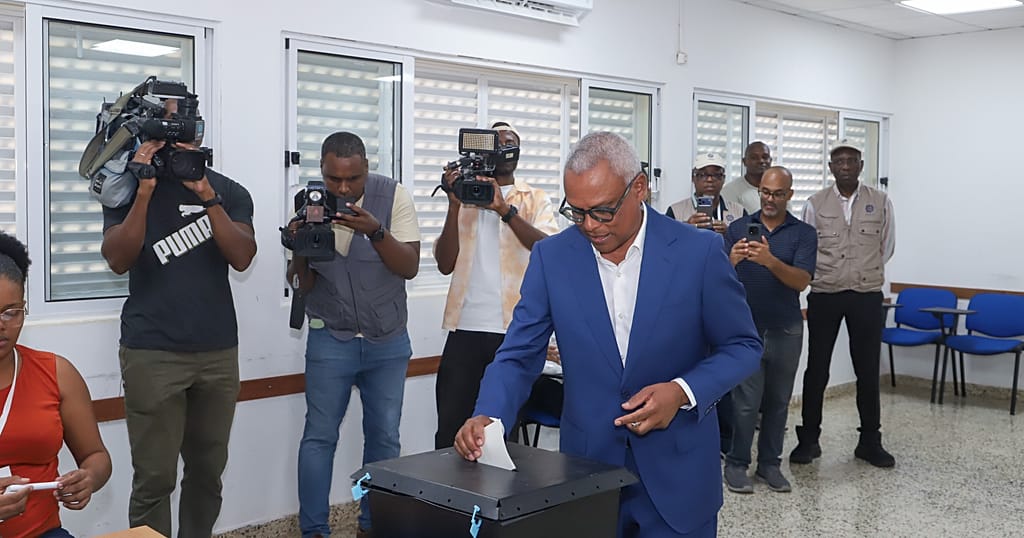
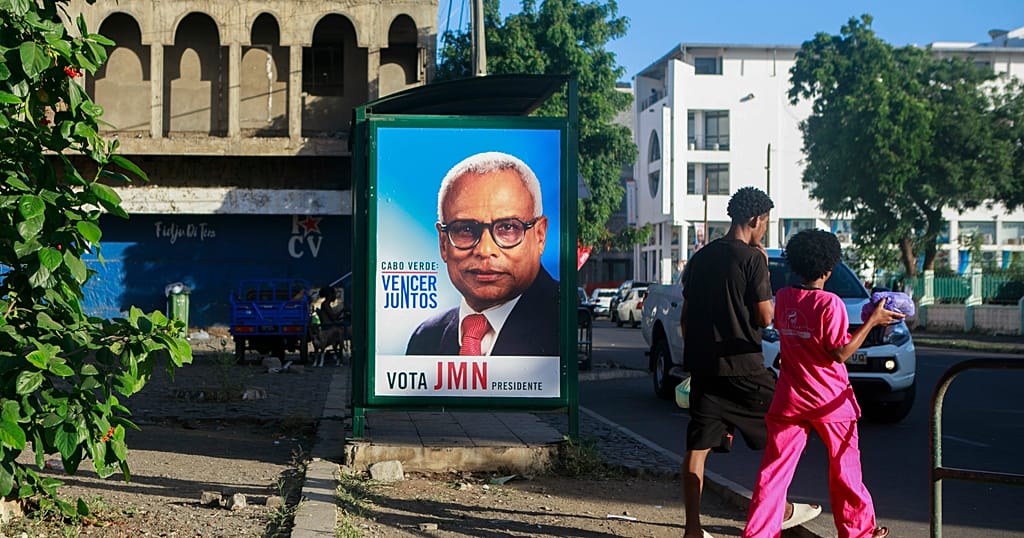
President José Maria Neves is set to serve a second term after preliminary results from Sunday's presidential election showed him taking close to 64 per cent of the vote, with 98 per cent of ballots counted.
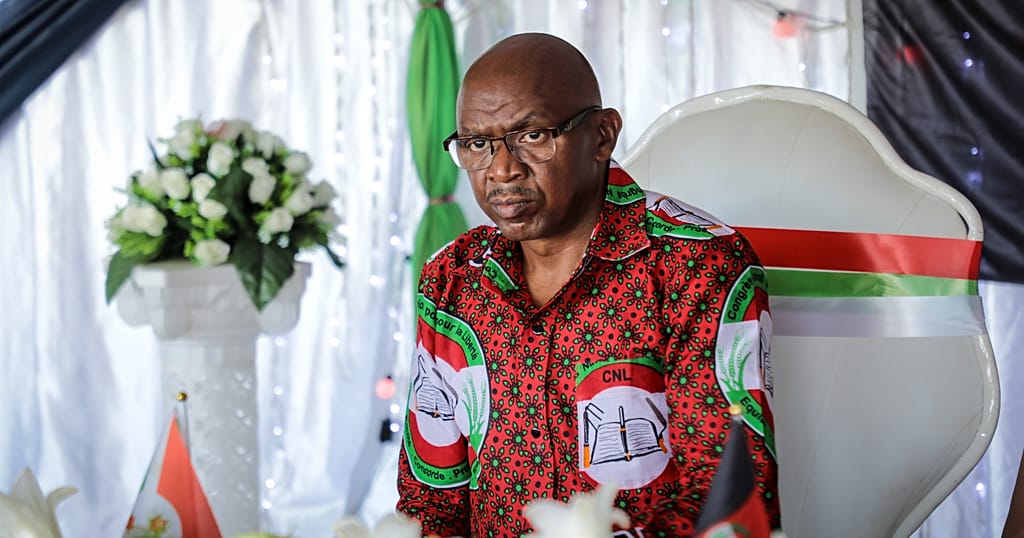
His challenger, Joana Rosa, who became the first woman ever to run for the presidency of Cape Verde, received 31.5 per cent. Turnout was low, at roughly 32 per cent of the more than 400,000 registered voters, according to official figures. Mr Neves claimed victory on Sunday evening.
A pledge to govern for all
Addressing supporters, the Head of State said he would continue in the manner of his first term and serve all citizens regardless of their political affiliation. "The president of this republic is not about the majority vote, the president of the republic is for everyone," he said, adding that he wanted to unite Cabo Verdeans living on the islands and in the diaspora.
Mr Neves said he would seek support across party lines to improve housing, healthcare and education and to create jobs.
First elected in 2021, Mr Neves is a veteran of national politics. He was Prime Minister and led the African Party for the Independence of Cape Verde (PAICV) from 2001 to 2016, and has also served as a mayor and a member of parliament. The PAICV now controls the government and most municipalities after winning a parliamentary majority in May, bringing to an end ten years of rule by the Movement for Democracy.
A largely ceremonial office
Under Cape Verde's parliamentary system, executive power rests mainly with the Prime Minister, who directs policy. The directly elected President plays a largely ceremonial role but holds the power to veto legislation.
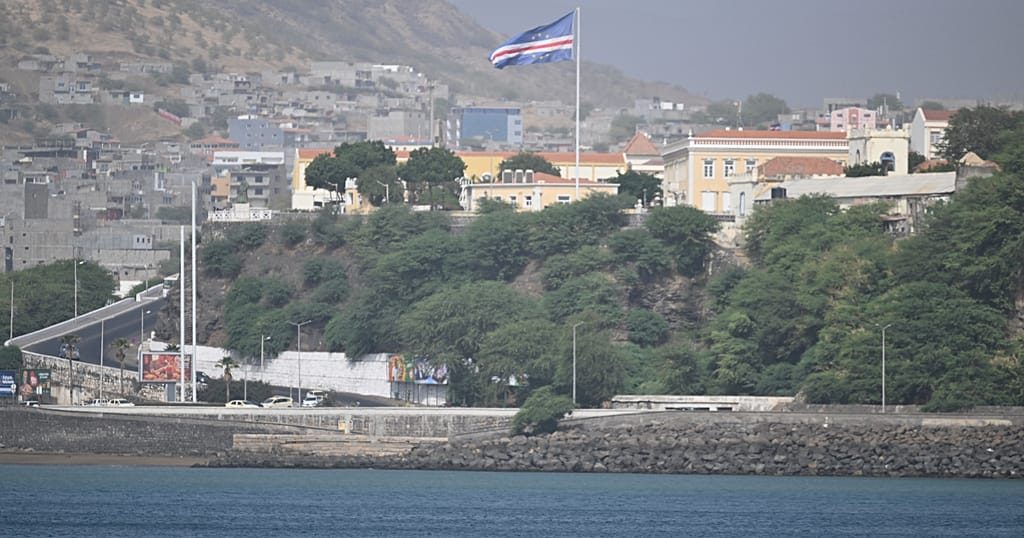
The Atlantic archipelago has a long record of competitive elections and peaceful handovers of power and is often cited as a democratic model on the continent. In July the World Bank reclassified it as an upper-middle-income country, a change driven largely by tourism. The new term will nonetheless be shaped by persistent inequality, the cost of living, high fuel prices, youth unemployment and the expense of travel between the islands.