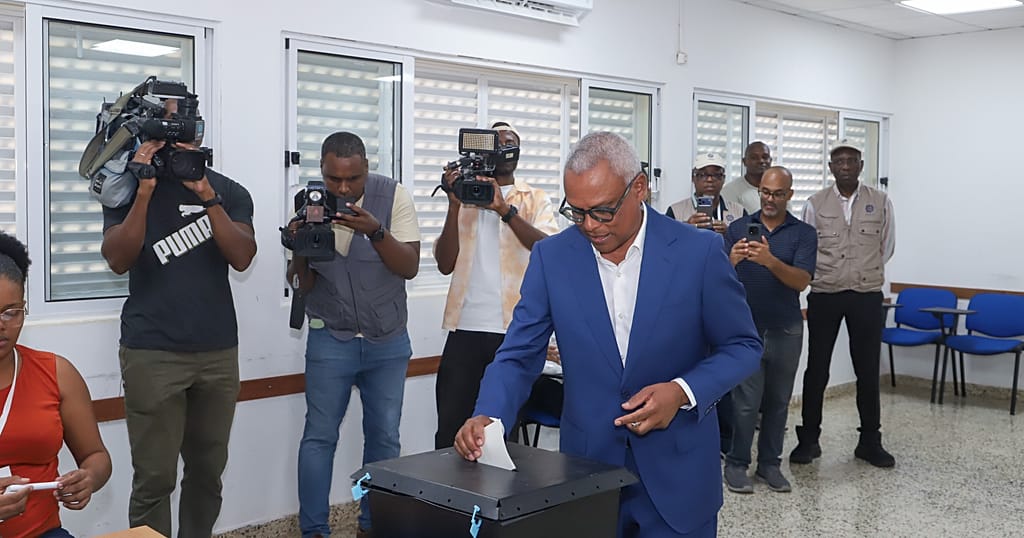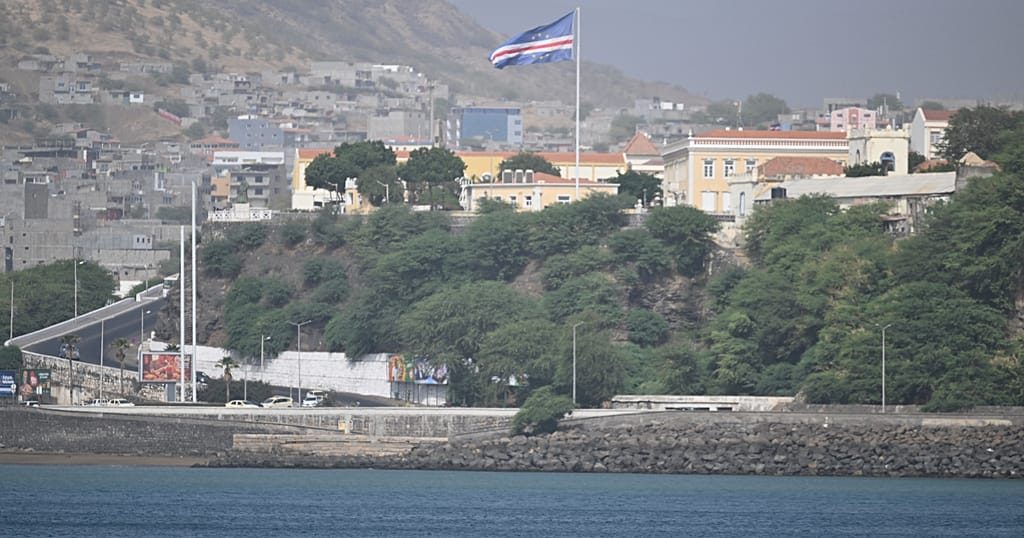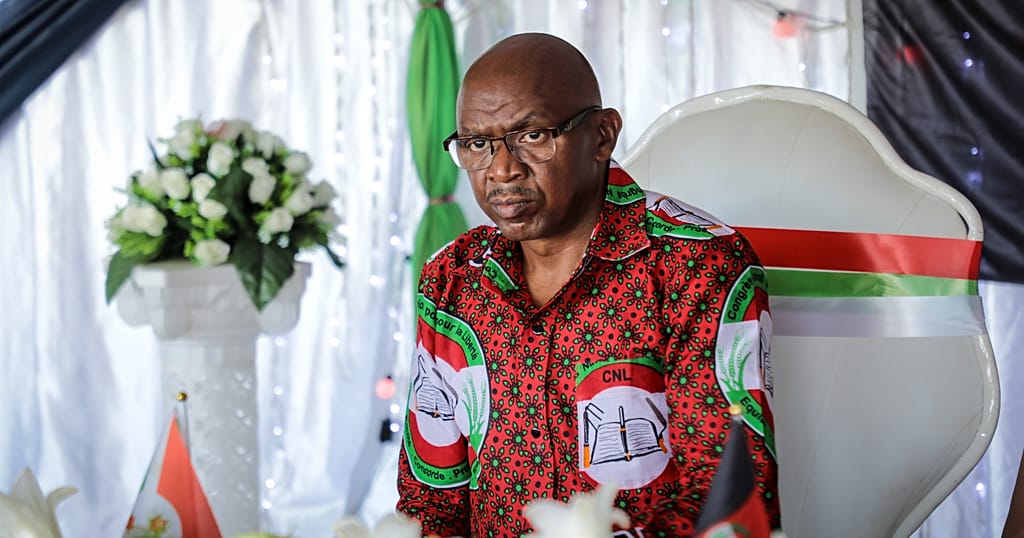
Cape Verde votes on Sunday as President Neves seeks a second term
Six candidates are contesting the presidency of one of Africa's most stable democracies, with former justice minister Joana Rosa Amado bidding to become the country's first female Head of State.
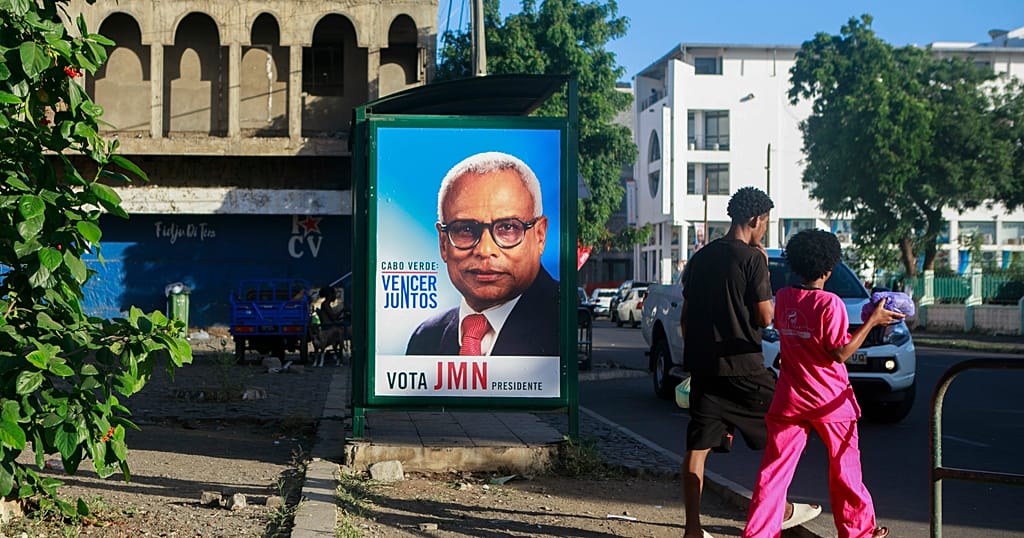
Voters in Cape Verde go to the polls on Sunday to choose a president, with the incumbent, José Maria Neves, regarded as the favourite to secure a second term.
Six candidates are on the ballot. President Neves's principal challenger is Joana Rosa Amado, a former justice minister who is seeking to become the first woman to lead the Portuguese-speaking archipelago.
A democratic outlier in the region
The election is widely seen as a further test of the stability of a country often cited as one of Africa's strongest democracies. That reputation sets the islands, which lie off the coast of Senegal, apart from a wider West African region where coups and political turmoil have become increasingly common in recent years.
The vote takes place at a moment of national confidence. The national football team made its first appearance at the World Cup this year and progressed to the knockout stages, while tourism is booming and now accounts for roughly a quarter of the economy.
Economic pressures
Beneath the headline successes, the next president will inherit a set of stubborn problems. Rising living costs, youth unemployment and social inequality feature prominently among voters' concerns, and young professionals continue to leave the islands in search of better prospects abroad.
Emigration has long shaped the country. Cape Verde depends heavily on its diaspora, which is estimated to be nearly three times the size of the resident population, and ties with communities overseas remain central to national life.
The question facing whoever wins on Sunday is whether Cape Verde can preserve its democratic standing while responding to the economic and social strains that are driving so many of its citizens to seek their futures elsewhere.