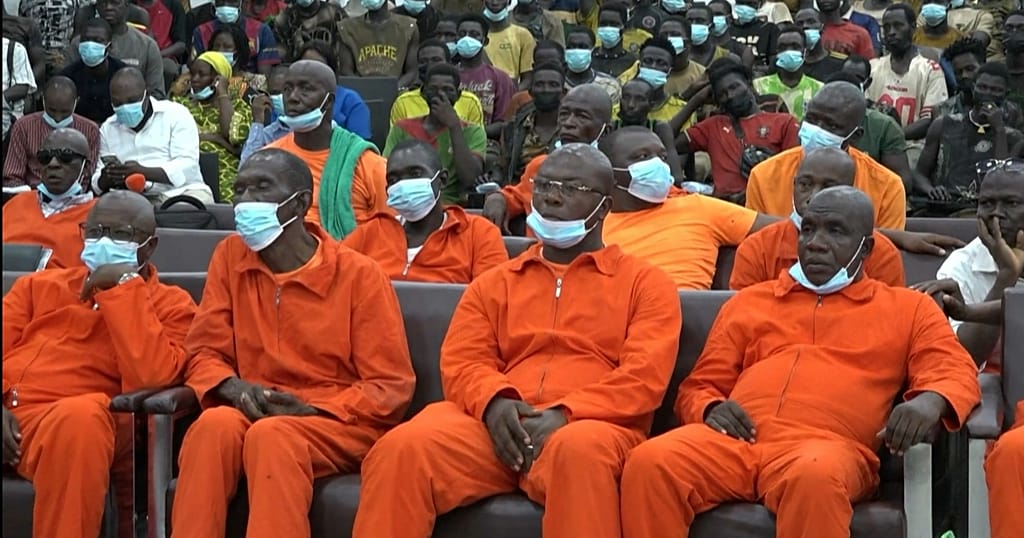
More than 1,200 people go on trial in Conakry over illegal gold mining
The mass trial follows Guinea's ban on clandestine mining, which took effect on 2 November and has led to the expulsion of tens of thousands of foreign miners.
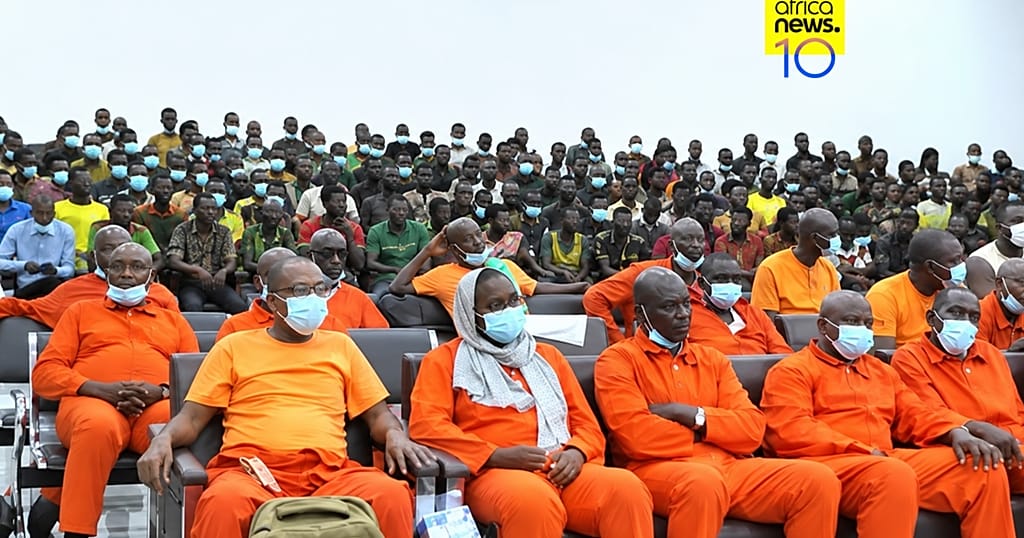
More than 1,200 people accused of illegal gold mining appeared before a court in Conakry on Wednesday, 11 November, as Guinea's authorities press ahead with a sweeping crackdown on unlicensed mining.
The defendants were detained in Siguiri, the gold-rich region in the north-east of the country. Several local officials have also been removed from their posts on accusations that they encouraged and facilitated the illegal sites.
Officials and miners deny responsibility
Lawyers on both sides of the dock argued that their clients were being made to carry the blame. Sidiki Berete, who represents the officials, said: "We cannot go after our authorities, who were appointed barely four months ago and inherited this situation." He told the court that criminal responsibility is individual, that the arrested miners had said they did not know the officials, and that no money had changed hands.
Abou Camara, counsel for the miners, rejected the charges against them. "The real culprits are elsewhere, not my clients," he said, adding: "We must not use my clients as scapegoats."
Regional fallout
Guinea's clandestine mines had attracted workers from across West Africa. Since the ban came into force on 2 November, tens of thousands have been deported. Mali, which says it has received large numbers of expelled miners, has warned of a looming humanitarian disaster, while Burkina Faso has protested that its nationals were treated inhumanely.
Guinea holds some of the region's largest reserves of gold and bauxite. The authorities say the campaign is intended to curb the environmental harm caused by artisanal gold mining, including degraded land and polluted rivers and streams.