
Diabetes overtakes HIV as South Africa's leading cause of natural death, health minister warns
Speaking in Thembisa ahead of World Diabetes Day, Dr Aaron Motsoaledi joined doctors and patient advocates in urging South Africans to be tested, with up to two-thirds of people with the disease thought to be undiagnosed.
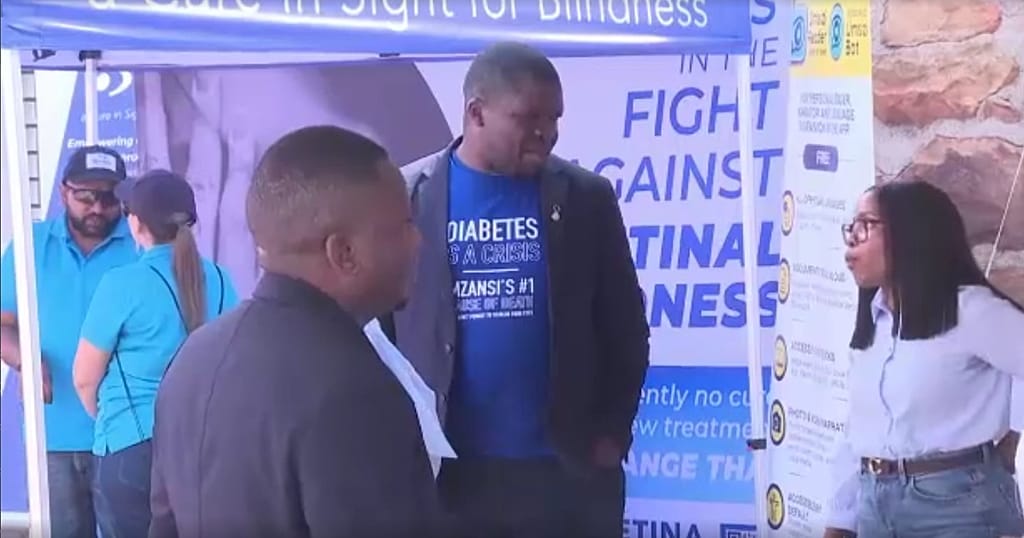
South Africa's Minister of Health, Dr Aaron Motsoaledi, has called on citizens to seek early testing for diabetes, warning that the disease has displaced HIV and AIDS as the country's leading cause of natural death.
The minister spoke on Friday, 13 November, at a public health event in Thembisa, near Johannesburg, held on the eve of World Diabetes Day. Residents who attended were screened for diabetes, high blood pressure and related conditions, and were given advice on prevention and management.
Type 2 diabetes affects roughly 10 per cent of South Africa's adult population. In 2024, the disease accounted for more than 6 per cent of all recorded natural deaths, placing it at the top of the list ahead of HIV. Health officials estimate that as many as two-thirds of South Africans living with diabetes have not been diagnosed.
Dr Motsoaledi said the country's rates were not the highest in the world, but noted that "it has overtaken HIV and AIDS as number one".
Gaps in patient education
Dr Patrick Ngassa Piotie, who chairs the Diabetes Alliance, said educating patients was the foundation of effective diabetes care, but that shortcomings in the health system meant very little such education reached them. As a result, he said, patients "are disempowered and are not able to play the role that they should play" in managing their condition.
The alliance has urged the government to return to basics by giving people with diabetes the right information and ensuring that medicines are consistently available. The South African Medical Association, for its part, says the management of chronic illnesses must be strengthened at primary healthcare level.
Doctors caution that the rise in cases cannot be attributed to individual lifestyle choices alone. They point to a combination of factors, including rising obesity, physical inactivity, poor diets and high consumption of sugary drinks and processed foods.
Mavis Mahlangu, a Thembisa resident who attended the screening, said many lives had been lost to the disease through a lack of awareness, and that it was important for people to know their blood sugar levels and blood pressure.