ANC leadership rules out Ramaphosa resignation as it opens post-election review
Meeting for the first time since the party's worst ever ballot result, the National Executive Committee also turned to the coalition deals the ANC now needs to stay in local government.
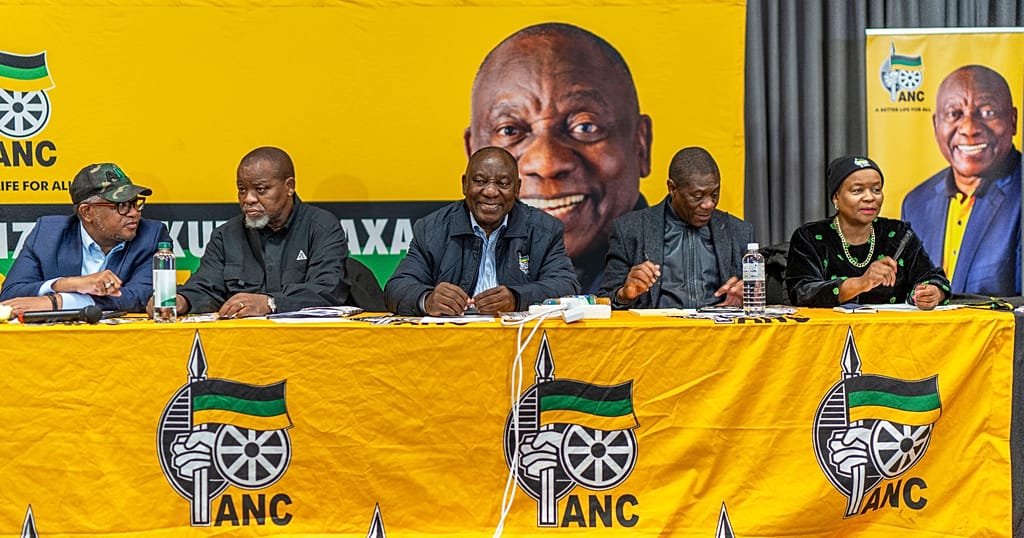
The African National Congress has dismissed reports that President Cyril Ramaphosa offered to step down, as its senior leadership gathered on Thursday, 12 November, for a special meeting of the National Executive Committee (NEC) following heavy losses in the municipal elections.
The ANC's share of the vote in last week's local polls fell by 15 percentage points to 31 per cent, its weakest showing ever. The party once commanded about 70 per cent support and faced no serious challengers. Two years ago it lost its parliamentary majority after winning 40 per cent nationally, a setback it described at the time as a moment for reflection, yet voters have continued to drift away.
Leadership question
National spokesperson Mahlengi Bhengu-Motsiri said: "There is a lot of fabrication about the President, that he has offered to resign," and urged South Africans to regard such reports in that light. The party's secretary-general called the result a "catastrophic outcome" and said the ANC would go through a period of soul-searching to understand how to regain voters' trust.
Coalition negotiations
In municipalities where no party won an outright majority, the ANC must now negotiate with rivals to form councils. Ms Bhengu-Motsiri said: "This NEC will receive reports on the initial engagements with other political parties," adding that the meeting would also consider a mandating guide setting out the terms for the party's negotiating team. The ANC says it respects the choice voters made.
The party has often pointed to the difficulty of undoing almost half a century of apartheid legislation and centuries of colonial rule before it. However, voters' frustration has centred on the failures of local services: electricity cuts, broken or absent water and sanitation systems, uncollected refuse and a housing shortage that leaves millions of people living in informal settlements.