Somalia expels UAE ambassador and recalls its envoy from Abu Dhabi
The federal government accuses the United Arab Emirates of interfering in Somalia's internal affairs, deepening a rift that has grown since Israel recognised the breakaway region of Somaliland.
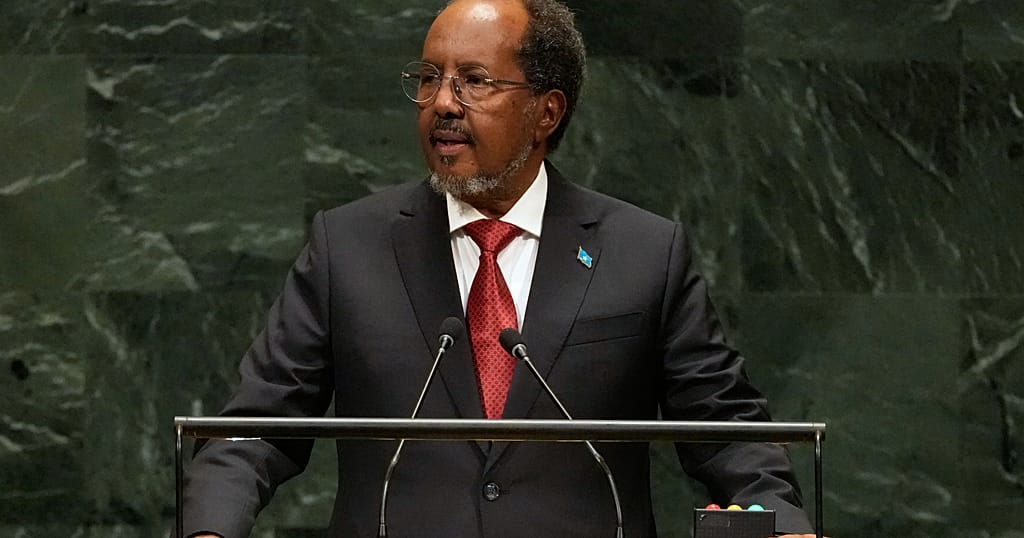
Somalia has ordered the ambassador of the United Arab Emirates to leave the country, sharply escalating a diplomatic dispute between Mogadishu and the Gulf state.
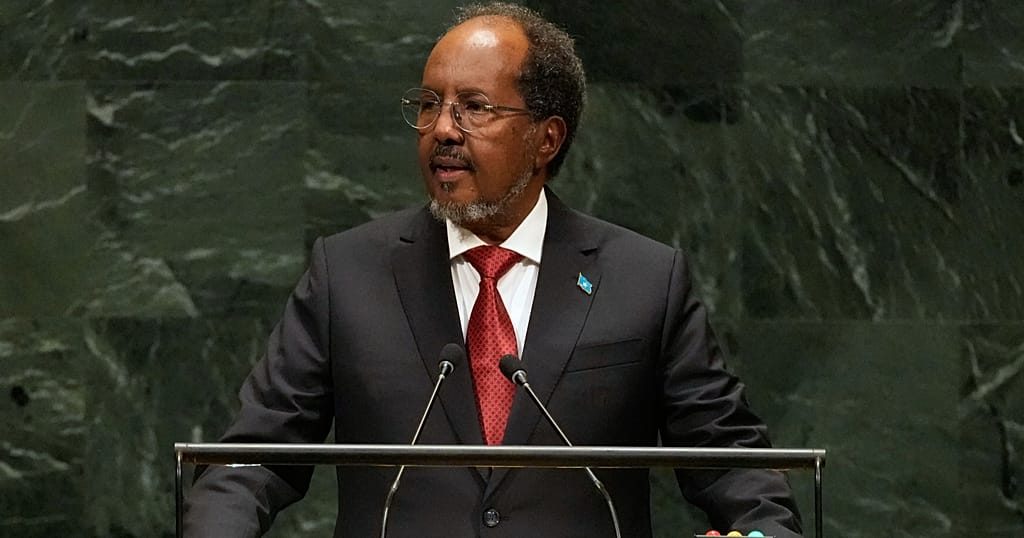
The decision was taken on Thursday, 19 November, after a cabinet meeting at which ministers accused the Emirates of "blatant aggression against Somalia". Information Minister Abdulfatah Qasim said the Council had instructed the Ministry of Foreign Affairs and International Cooperation to recall Somalia's own ambassador from the UAE and "to notify the UAE Ambassador to Somalia to leave the country within 72 hours".
Mr Qasim said the government was adopting a series of measures to protect the country's sovereignty, territorial integrity, national unity, internal security and independence against actions by Abu Dhabi.
A widening rift
Relations between the two countries have been deteriorating for months. Mogadishu has been angered by what it sees as Abu Dhabi's support for Israel's recognition of the breakaway region of Somaliland.
In January, Somalia cancelled all its agreements with the UAE. It cited Israel's recognition of Somaliland and accused the Emirates of helping a Yemeni separatist leader travel by boat and aircraft through Somali ports without the federal government's permission.
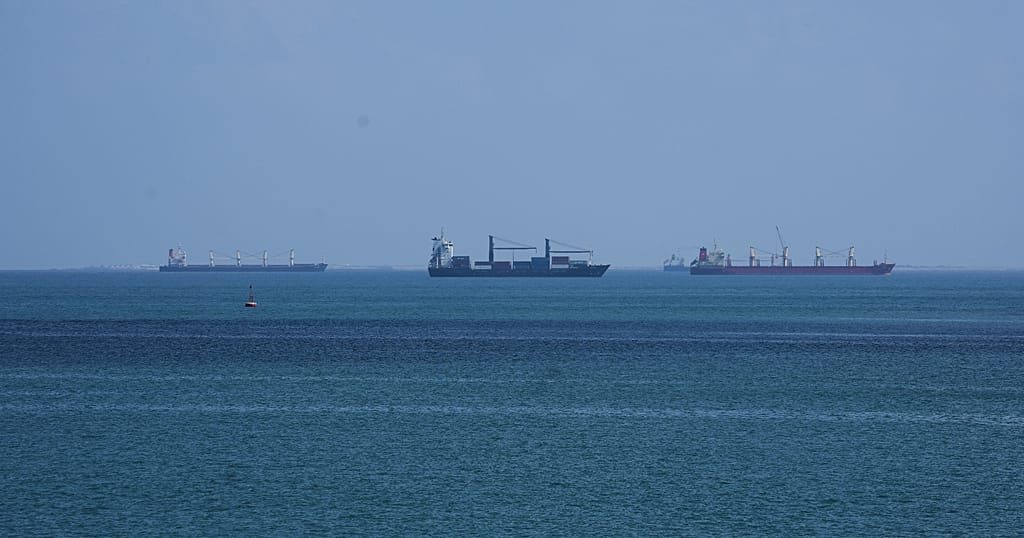
The UAE has built and runs a large deep-water port and military base at Berbera in Somaliland, and operates two other ports, at Bosaso and Kismayo, elsewhere in the country. The Somali government has said the Emirates will no longer be allowed to operate them.
Enforcing that position will be difficult. Somalia remains deeply fragmented, and the federal government in Mogadishu has little practical control over the semi-autonomous states where the ports are located.