Gold falls below $3,800 an ounce, raising concern for Africa's major producers
The slide to the lowest price in more than a year could squeeze foreign currency earnings in Mali, Burkina Faso, Ghana and Tanzania, where gold is a leading export.
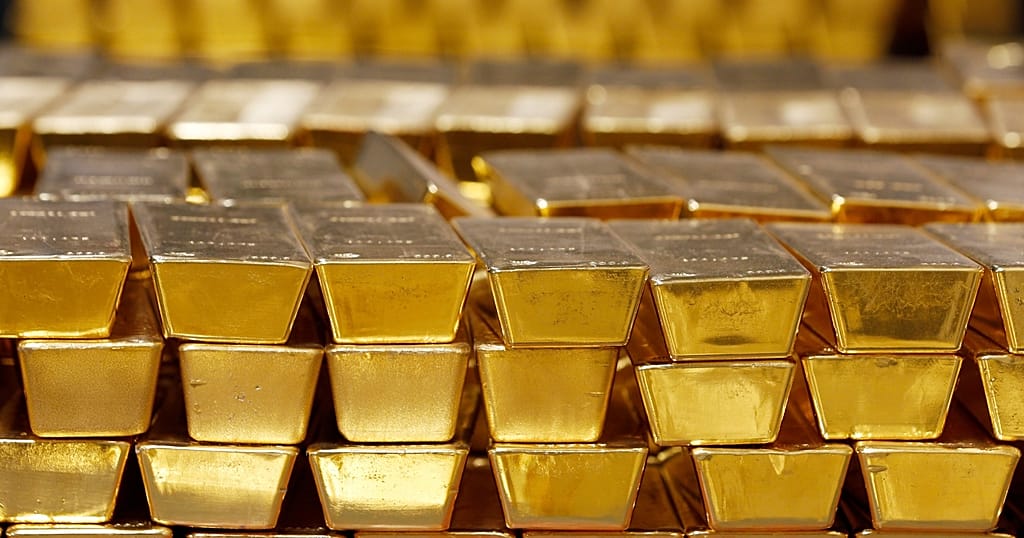
The price of gold dropped below $3,800 an ounce on 18 November, its weakest level in more than a year, in a move that could weigh on the finances of several African producing countries.
According to Reuters, the metal fell as low as $3,742 during the day, a decline of more than 2 per cent.
Exposure in the Sahel and beyond
The fall matters most for states where gold is a principal source of hard currency, among them Mali, Burkina Faso, Ghana and Tanzania. Gold is the largest export of both Mali and Burkina Faso, according to TRT Afrika.
Several producing countries have invested heavily in the sector in recent months in an effort to capture more value at home. Burkina Faso, the continent's third-largest gold producer, opened its first gold refinery in September.
A lower gold price would reduce the value of exports and the revenue these governments draw from the sector.
Prices still high by historical standards
The drop nevertheless needs to be seen in context. Gold reached a record of more than $5,100 an ounce in January 2026, according to TRT Afrika, and traded at about $2,000 in 2023. Even after the latest fall, prices remain close to double their level of three years ago, which means producers continue to earn far more per ounce than they did before the recent rally. The metal is therefore still far from a collapse, even if the latest fall is a warning for budgets that depend on it.