Fuel shortages and a weakening pound bring daily life in Sudan to a standstill
With the Khartoum refinery closed by the war and oil prices unsettled by conflict in the Middle East, Sudan now depends almost entirely on costly fuel imports.
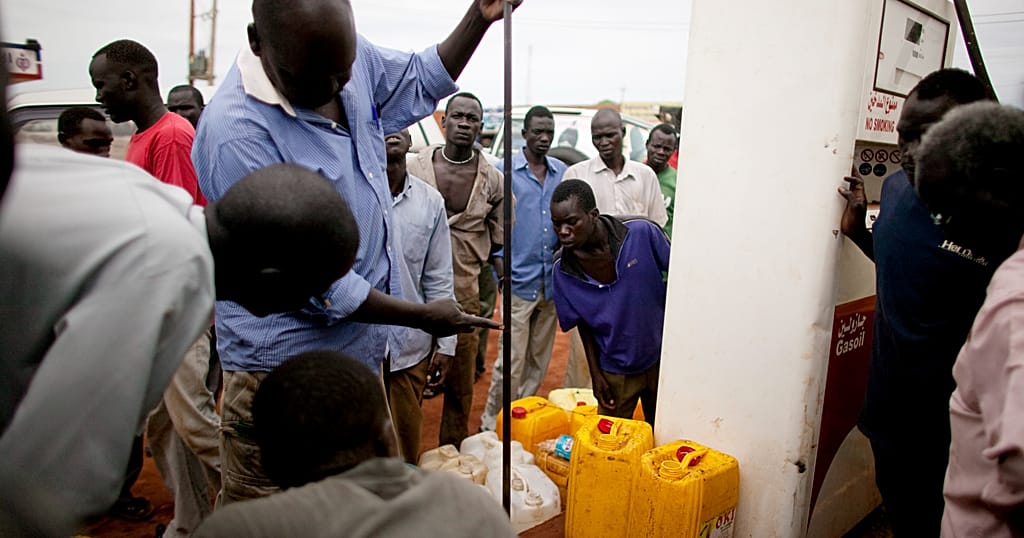
Long queues of vehicles at the handful of petrol stations still operating have become a routine sight in Sudan, as a deepening fuel crisis disrupts transport, commerce and household budgets across the country.
The shortage has its roots in the civil war that broke out in April 2023 between the Sudanese Armed Forces and the paramilitary Rapid Support Forces. Fighting and drone strikes have damaged energy infrastructure and forced major oil fields to stop production. The Khartoum refinery, which once supplied about 70 per cent of the country's fuel needs, has shut down, leaving Sudan reliant almost entirely on imported fuel.
That dependence has left the country exposed to swings in international energy prices since conflict erupted in the Middle East in late February. The depreciation of the Sudanese pound against the dollar has compounded the problem, raising the cost of every imported cargo.
Queues and rising prices
In Khartoum, resident Osman Faisal said he had joined a queue at 7 a.m. and had spent more than two hours waiting in his car. He said he had been unable to fill his tank for a week, and that pump prices had climbed again within the past few days.
Another motorist, Adnan Osman, said he hoped the exchange rate would stabilise soon. He described a daily dilemma in which residents must decide each morning whether to go to work or spend the day queuing for fuel.
Station operators are repeatedly forced to revise their prices as global costs rise and the local currency falls, and many close their pumps altogether when supplies run short.
Knock-on effect on food
Higher fuel costs have pushed up the price of transport and deliveries, which in turn has driven up the cost of food and other essentials. Alrazy Mohamed, a resident of the capital, said the prices of staples such as bread and vegetables were rising. "The life of everyone in this country is being severely affected," he said.
The crisis is adding to the strain on an economy already weakened by more than three and a half years of war, and is deepening the humanitarian emergency facing millions of Sudanese.