Foreign direct investment into Africa falls by a quarter to $70 billion as project numbers rise
Inflows dropped from an exceptional $94 billion in 2024, but investors announced more projects at a smaller scale, with Egypt, Guinea and Mozambique the leading destinations.
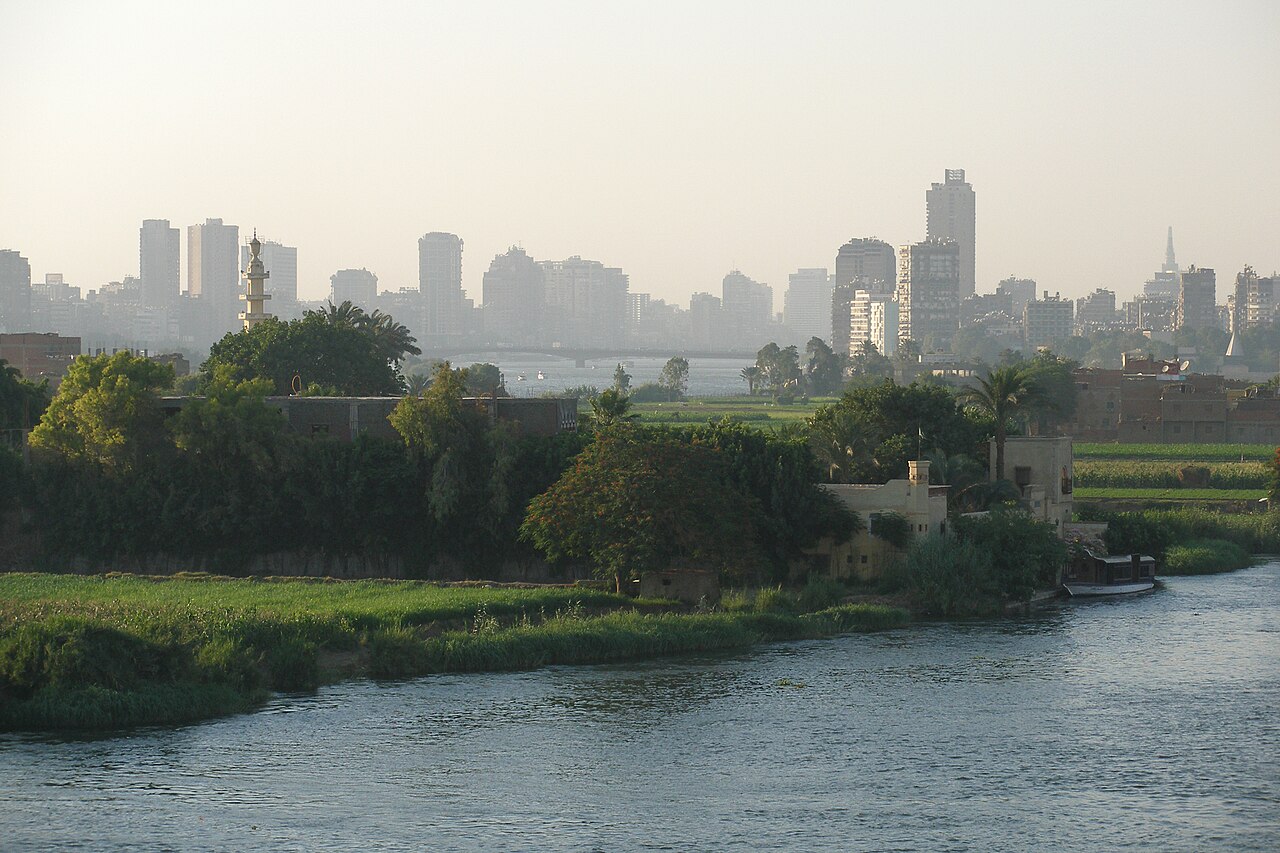
Foreign direct investment (FDI) into Africa reached about $70 billion in 2025, a fall of nearly 26 per cent from the $94 billion recorded in 2024. The decline largely reflects the unusually strong performance of the previous year, when inflows were lifted by a handful of very large deals.
Even after the drop, 2025 inflows remained among the highest the continent has recorded since 1990.
Smaller but more numerous projects
The composition of new commitments has shifted. The total value of newly announced investment projects fell by almost a third, yet the number of projects rose. The pattern suggests investors are spreading their capital across a larger number of smaller ventures rather than concentrating it in a few large schemes.
Energy, infrastructure and critical minerals continue to attract the bulk of the money, and investors from the Gulf and Asia are playing an increasingly prominent role.
Egypt was the largest single destination, attracting $15.5 billion. Guinea was second with $7.8 billion, followed by Mozambique with $5.7 billion. Nigeria and Ethiopia were also among the leading recipients.
Uneven gains
The benefits remain unevenly spread across the continent. For most governments, the challenge is less about headline totals and more about converting foreign capital into durable employment, stronger local supply chains and greater value added within African economies.
That ambition is visible at a smaller scale in Guinea, where maize output rose by about 33 per cent to nearly 757,000 tonnes in the latest season. Poultry feed producers still rely on imported grain, and an initiative covering 70 per cent of costs aims to develop 500 hectares of farmland so that domestic maize can replace supplies bought from Mali and Côte d'Ivoire.
In Nigeria, the Ministry of Foreign Affairs estimates that citizens spend nearly $56 million a year on visa fees and related costs, including money lost on rejected applications. President Bola Tinubu's government is seeking to expand digital skills training and jobs at home, notably through its Hire from Nigeria initiative.