Deaf Nigerians campaign to save indigenous sign languages from disappearing
Researchers warn that scarce funding, poor documentation and the spread of formal sign languages threaten systems such as Hausa sign language, used widely in northern Nigeria.
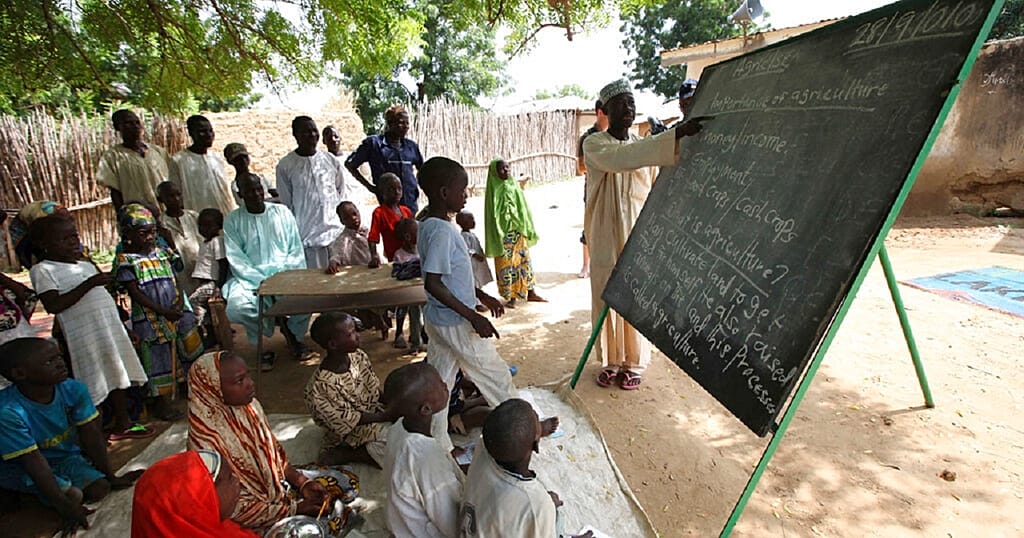
Deaf communities in Nigeria are pressing for recognition of the indigenous sign languages that were in use long before formal sign language teaching reached the country, warning that some of them could vanish without support.
Some of these languages are used only by small communities. Others have spread more widely: Hausa sign language has become a common means of communication among deaf people across northern Nigeria.
Umaru Zayyanu, 37, who lives in Abuja and signs in Hausa sign language, regards it as part of who he is. "It is our culture and identity," he said, adding that deaf communities had their own languages well before formal schooling arrived.
Sanni Lawal, a deaf man who works in a laundry, wants indigenous sign languages to gain wider recognition and to be used beyond the communities where they developed.
Pressure from formal systems
Researchers say the languages face several threats at once. Funding for research is limited, documentation is poor, and the growing dominance of formally taught sign languages is pushing some local systems towards extinction.
Taiwo Ajayi, a sign language researcher, said recording and developing these languages was essential, particularly for deaf Nigerians who have never had access to formal education.
Campaigners are now calling for greater official recognition and investment so that this part of Nigeria's linguistic diversity is preserved for future generations.